
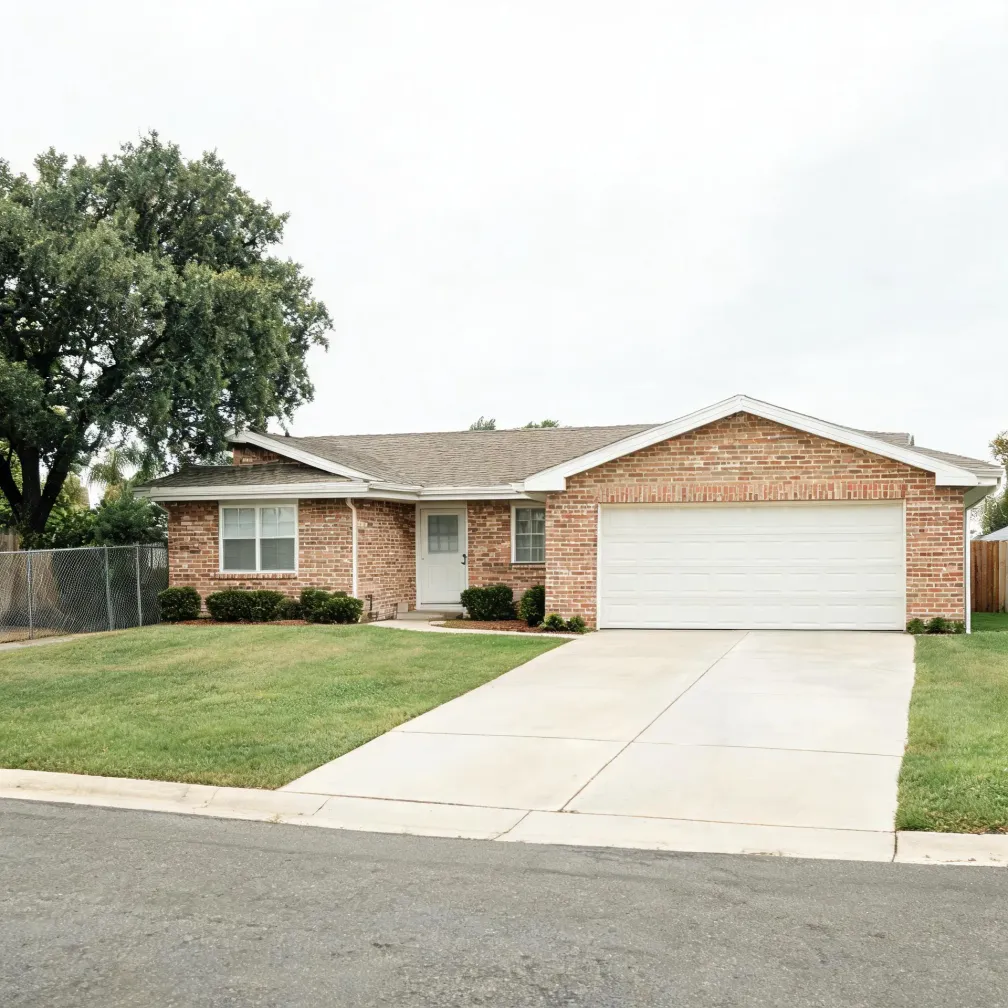
What Oklahoma homes are up against.
NOAA National Centers for Environmental Information, Storm Events Database, bulk CSV export, events 2015-01-01 through 2024-12-31. · U.S. Census Bureau, 2020-2024 American Community Survey 5-Year Estimates
A furnace here spends most of the year doing nothing, then gets asked to fire and hold steady once the cold sets in. Homes in Oklahoma run heat about seven months a year, from October through April. That idle stretch is where a cracked heat exchanger or a weak igniter can sit unnoticed, because nothing calls on it until the temperature drops and the burner has to light and keep cycling. When it fails on the first hard morning, the cause usually goes back months, not hours. A furnace that starts clean into that stretch tends to carry it through to spring.

Before any new furnace or air conditioner gets set, a contractor has to open up what is already there. The ducts, the breaker panel, the line running to the outdoor unit all have to be checked against what the new equipment needs, not assumed from what came before. Half the homes in Oklahoma were built in 1980 or earlier (2020-2024 ACS 5-year). That figure means a lot of what a contractor finds was sized and wired for a different piece of equipment entirely. A duct run that suited one furnace may choke a more efficient one. A panel that fed an older air conditioner may not carry the load of a new one without changes.
Does your Oklahoma county push HVAC equipment harder?
2015–2024 · Source: NOAA National Centers for Environmental Information, Storm Events Database.
A county with a heavier storm record asks more of the equipment sitting outside. Wind can rock a condenser on its pad, hail can dent the cabinet and bend the fins that move heat, and heavy rain can flood a unit set too low to the ground. Have a contractor check where the outdoor unit sits, how well it is anchored, and the condition of the unit itself.
Oklahoma requires HVAC contractors to hold a state license.
Licenses are issued by the Construction Industries Board.
Source: Oklahoma State Legislature