
HVAC Installation in Skiatook, OK
A new system here will heat from October through April and cool from May through September every year. Tell us about the house, and a licensed contractor who covers Osage County will get in touch.
Tell us about the job
It takes about a minute.
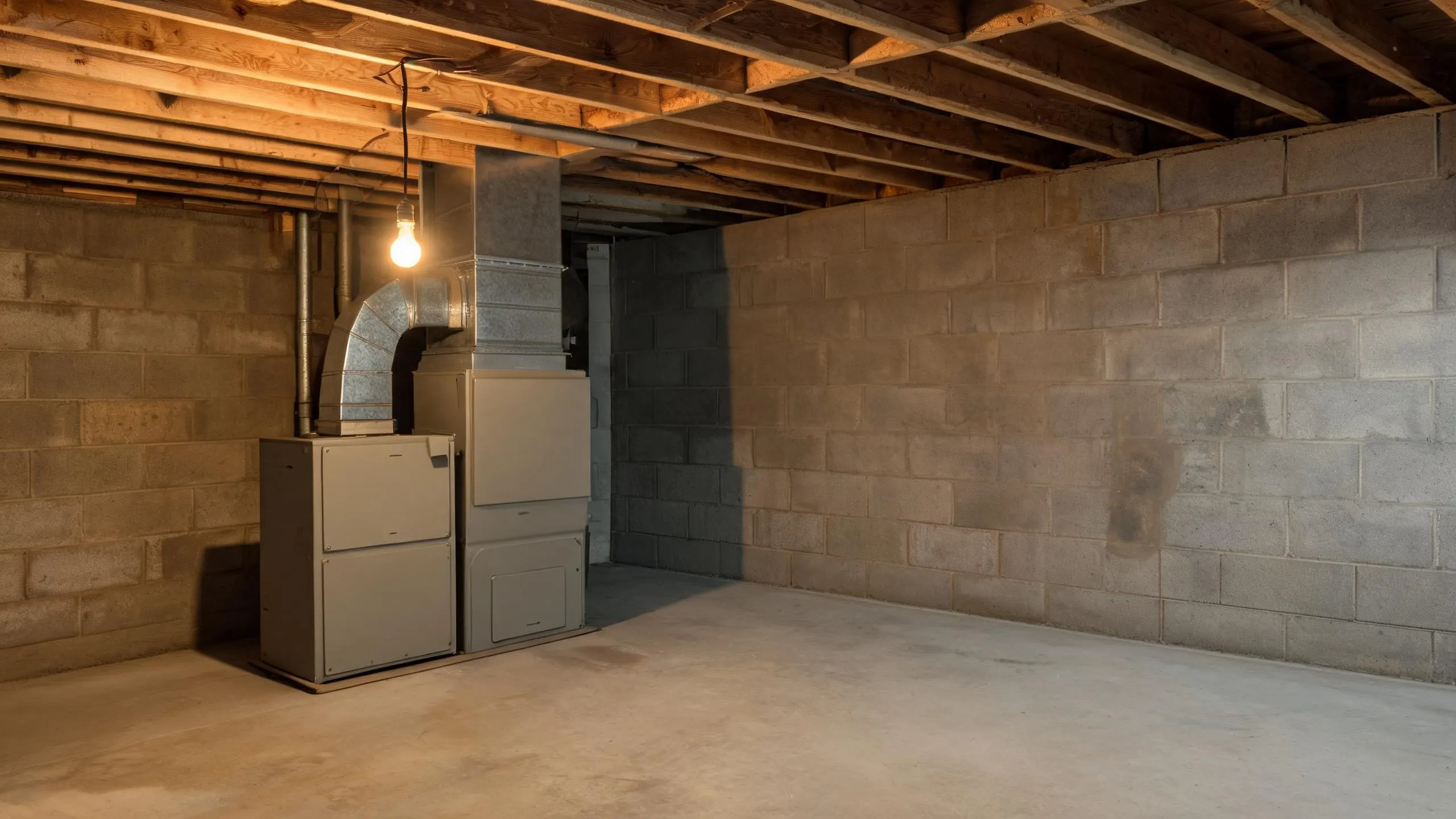
A system built for both ends of the year in Skiatook
Your new system needs to cover seven months of heat and five months of cooling, with almost no break between them. Winter nights average 27°F from December through February, and summer afternoons average 90°F. That is a wide swing for one system to handle, and it runs most months of the year to do it.
This area also loses power. A quarter of Oklahoma households went at least 24 hours without it in 2024. A furnace with a standing pilot will still light without power, but the blower still needs electricity to move air, so a whole-house generator hookup is worth asking about when you install.
- 7 months
- October through April, your system heats
- 5 months
- May through September, it cools
- 27°F
- the average winter night it heats against
- 90°F
- the average summer afternoon it cools against
NOAA nClimDiv, 1991–2020 normals
Oklahoma requires HVAC contractors to hold a state license.
Oklahoma licenses HVAC contractors through the Construction Industries Board. That license belongs to the contractor, not to this one job, so it covers them across whatever work they take on, not just this installation.
For a system installation like this, the license is what stands behind the contractor doing the work. What checks the installation itself, once it's in, is the local building office. In most cities and counties here, putting in a new furnace, air conditioner or heat pump needs a permit and an inspection after the job is done. That inspection is separate from the license, and it's the part that confirms this particular installation was done right.
Source: Oklahoma State Legislature
- When should I replace my HVAC system?
- Replace it when repairs get more frequent or the unit is old enough that the next breakdown could leave you without heat or cooling for days. A contractor can tell you whether your system is near the end of its life based on its age and condition. Here, homes need heat from October through April and cooling from May through September, so there isn't really a season where the system can sit broken without a plan. If a contractor is already telling you a repair is a stopgap, that's usually the sign to plan the replacement rather than wait for the failure.
- Should I replace my furnace and air conditioner at the same time?
- If they're close in age, yes. A furnace and air conditioner installed together are matched to work as one system, and pairing an old unit with a new one can mean the new one never runs at its rated efficiency. It also means one installation and one inspection instead of two separate jobs down the road. If one unit is much newer than the other, a contractor can look at both and tell you whether replacing just one makes sense for your house.
- What happens during an HVAC installation?
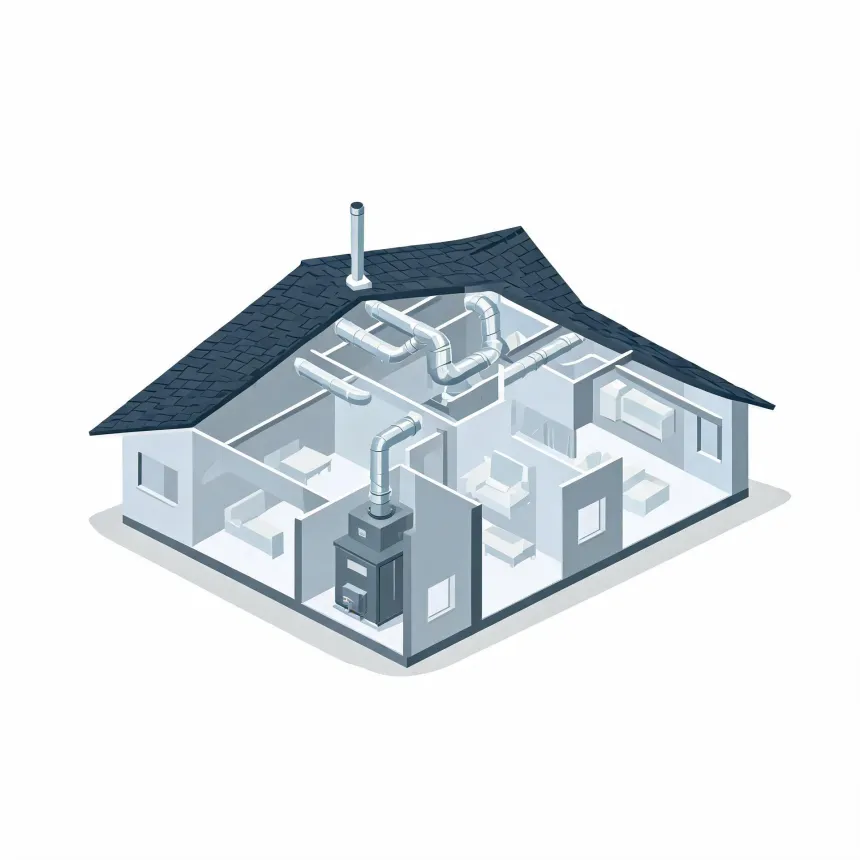
- A contractor removes the old furnace and air conditioner or heat pump, then sets the new equipment, connects it to the ducts, wiring and refrigerant lines, and checks that everything runs correctly before leaving. This is a permitted job in most cities and counties, so the local building office inspects the work once it's done. The contractor pulls that permit as part of the job. Expect the crew to test the system under both heat and cooling before they call it finished, since your home will need both before the year is out.