
Dryer Vent Cleaning in Claremore, OK
Tell us about your home, and a licensed contractor who covers Rogers County will get in touch.
Tell us about the job
It takes about a minute.

Cold vents catch more lint
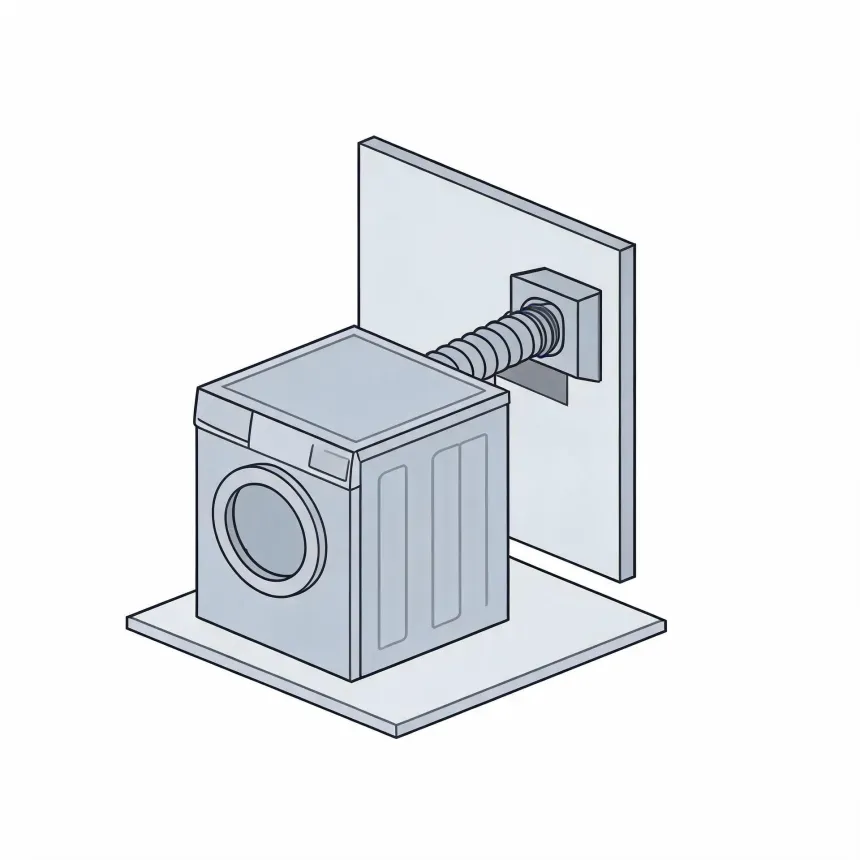
Your dryer pushes out warm, damp air, and that air has to travel through a vent that sits in cold space most of the year. From December through February, nights here average 29°F, so the vent stays cold for hours at a time. Warm exhaust hits those cold walls and cools fast, and the moisture in it beads up and holds lint against the metal instead of letting it blow through and out.
Over a winter that runs October through April, that buildup narrows the vent bit by bit. Airflow drops, the dryer takes longer to finish a load, and the motor and heating element work harder than they should to push air through a smaller opening.
- 29°F
- the average winter night, and cold vents catch damp lint
- 7 months
- October through April, the vent stays cold
NOAA nClimDiv, 1991–2020 normals
- How often should a dryer vent be cleaned?
- Once a year for most households. If you run big loads often, or you have a long vent run with a lot of turns, check it more often since those bends catch lint faster than a short straight duct. A clean vent lets your dryer push air all the way outside instead of fighting to force it through a partial blockage.
- Can I clean my dryer vent myself?
- You can clear the first few feet from the back of the dryer yourself, and that's worth doing between full cleanings. A vacuum with a hose attachment or a basic lint brush reaches that section fine. The rest of the run is harder to judge from the ends, especially if the vent bends or travels any real distance to get outside, and lint left in the middle of the line won't show up as anything you can see or reach from either end.
- What are the signs of a clogged dryer vent?
- Clothes that take more than one cycle to dry is the clearest sign. Others include the top of the dryer feeling hot to the touch, a burning smell during the cycle, or the vent hood outside barely moving when the dryer runs. Heavy lint buildup around the lint trap area or a musty smell in the laundry room points the same way. Any one of these means air isn't moving through the vent the way it should.