
HVAC Installation in Grove, OK
A new system here will heat from October through April and cool from May through September every year. Tell us about the house, and a licensed contractor who covers Delaware County will get in touch.
Tell us about the job
It takes about a minute.
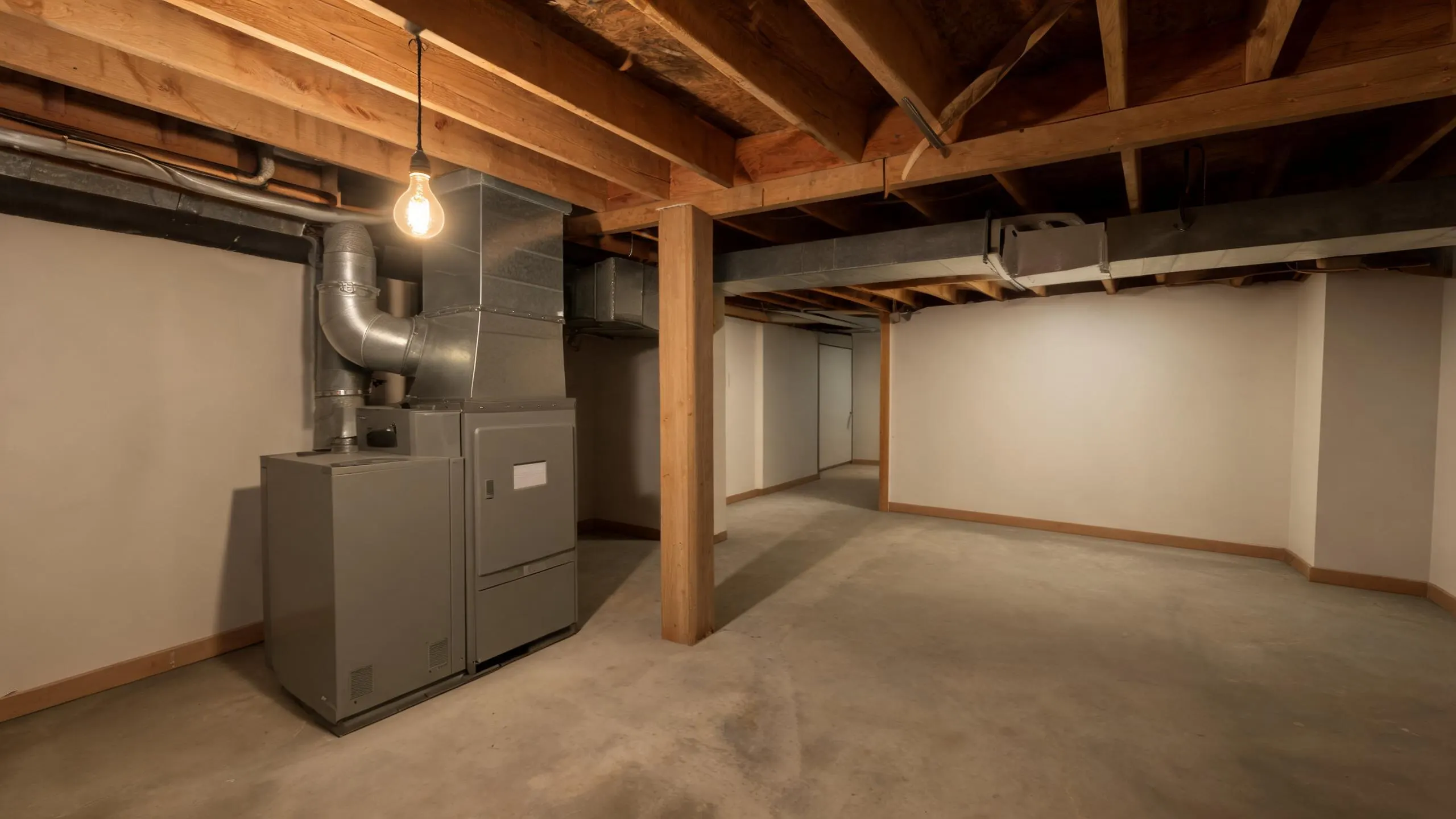
A new system here needs to handle both ends of the year
Grove asks a lot of a heating and cooling system. Winter nights average 28°F from December through February, and summer afternoons run 89°F. Homes here need heat from October through April, then cooling from May through September, so there is almost no month when the system gets to rest.
More than half of homes here heat with electricity, and a quarter of Oklahoma households went at least 24 hours without power in 2024. A new furnace or heat pump should be sized for the cold nights and hot afternoons here, and it should come back on its own once the power does.
- 7 months
- October through April, your system heats
- 5 months
- May through September, it cools
- 28°F
- the average winter night it heats against
- 89°F
- the average summer afternoon it cools against
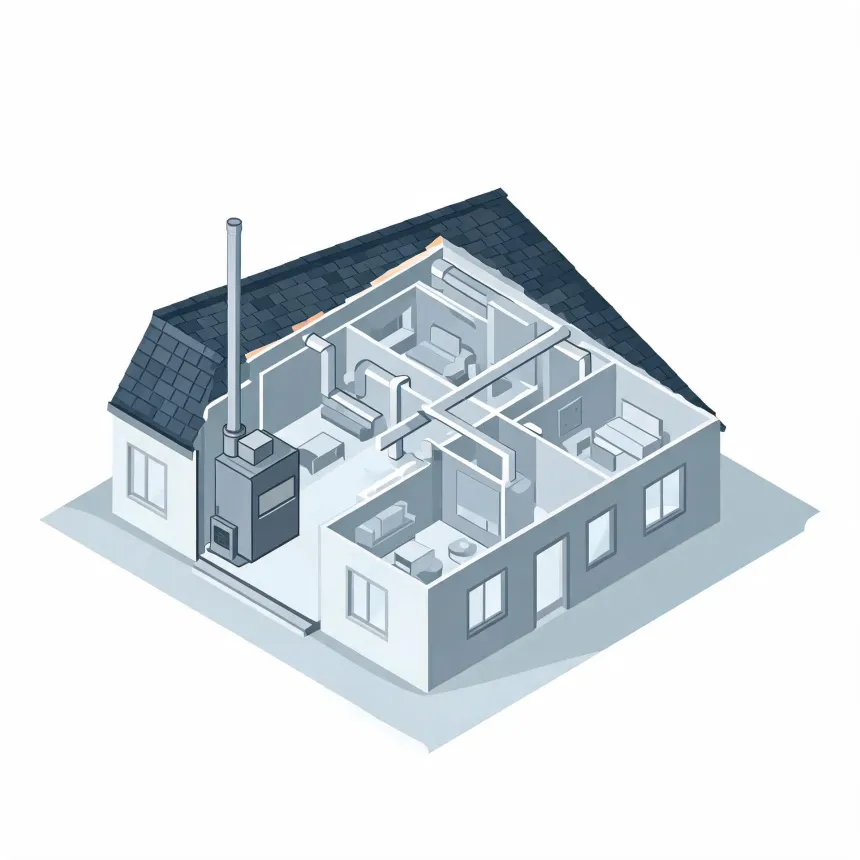
NOAA nClimDiv, 1991–2020 normals
Oklahoma requires HVAC contractors to hold a state license.
The license is issued to the contractor by the Construction Industries Board, and it stays with them from job to job rather than being reissued for each one. That means the license you are checking on this installation is the same one that covers everything else that contractor does in the state.
For a heating and cooling installation, that license is what stands behind the person doing the work, but it is not the only check on this job. Most cities and counties in Oklahoma require a permit from the local building office before a furnace, air conditioner or heat pump gets installed, and an inspection once it is done. The inspection is what confirms the new system was put in correctly, separate from anything the license already covers.
Source: Oklahoma State Legislature
- When should I replace my HVAC system?
- Once repairs start piling up or the system can't keep the house comfortable, it's time to replace it rather than keep patching it. A furnace or air conditioner nearing the end of its life tends to break down more often, and each repair is money spent on equipment you're about to retire anyway. Rising energy bills without any change in how you use the system are another sign the equipment is losing efficiency. With heat needed here from October through April and cooling from May through September, there's barely a gap in the year when either system can sit idle, so a breakdown means real discomfort fast. If your furnace or AC is old and starting to struggle, have a contractor look at it before the next season arrives rather than waiting for it to fail.
- Should I replace my furnace and air conditioner at the same time?
- If both are old, replacing them together is often the more practical choice, though it's not required. A furnace and air conditioner installed at different times can end up mismatched, which can affect how well the system runs. They also tend to wear out around the same time if they were installed together originally, so if one is failing, the other may not be far behind. A contractor can look at the age and condition of both and tell you whether replacing just one makes sense or whether doing both now saves you from a second disruption a year or two later.
- What happens during an HVAC installation?
- A contractor removes the old furnace, air conditioner or heat pump and sets the new equipment in place, then connects it to the ductwork, electrical, and for gas furnaces, the gas line. After that, they check refrigerant levels, test airflow, and confirm the thermostat and controls are working with the new equipment. In most cities and counties around Grove, this job needs a permit from the local building office, and an inspector checks the work once it's done. Oklahoma also requires the contractor doing the work to hold a state license through the Construction Industries Board, so it's worth confirming that before the job starts.