
Dryer Vent Cleaning in Broken Arrow, OK
Tell us about your home, and a licensed contractor who covers Wagoner County will get in touch.
Tell us about the job
It takes about a minute.

Cold vent runs, more lint stuck to the walls
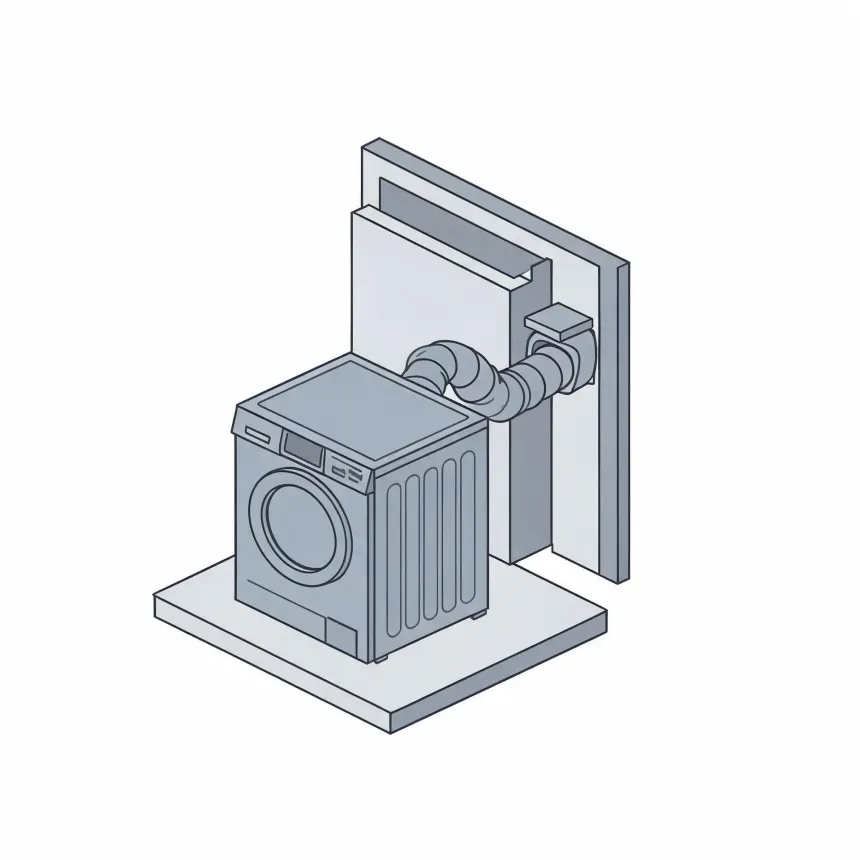
Your dryer pushes out warm, damp air, and that air has to travel through a vent that sits in a cold attic or wall cavity most of the year. From December through February, nights here average 30°F, cold enough that the moisture in the exhaust condenses on the vent walls before it ever reaches outside. Lint sticks to a damp surface far more easily than a dry one, and it builds up in layers instead of blowing straight through.
A vent narrowed by lint forces the dryer to push harder to move the same air. That means longer drying times, a dryer that runs hotter than it should, and a growing amount of lint sitting in a duct that has no business holding any.
- 30°F
- the average winter night, and cold vents catch damp lint
- 7 months
- October through April, the vent stays cold
NOAA nClimDiv, 1991–2020 normals
- How often should a dryer vent be cleaned?
- Once a year is a good rule for most households. Lint builds up along the inside of the duct every time you dry a load, and it narrows the path air needs to escape. A contractor can look at the length and shape of your vent run and tell you if yours needs attention more often than that.
- Can I clean my dryer vent myself?
- You can clean part of it, but not the whole run. A vacuum with a long brush attachment reaches a few feet into the duct, and pulling the dryer out to check the connection is worth doing. What you can't reach is lint packed further down or sitting in a bend, and that's usually where the real blockage is.
- What are the signs of a clogged dryer vent?
- Clothes taking longer than one cycle to dry is the clearest sign. Others are the outside of the dryer feeling hotter than usual, a burning smell during a cycle, the room getting warmer and more humid while it runs, and little to no airflow at the outside vent hood when you hold your hand near it. Any one of these means air isn't moving through the duct the way it should.