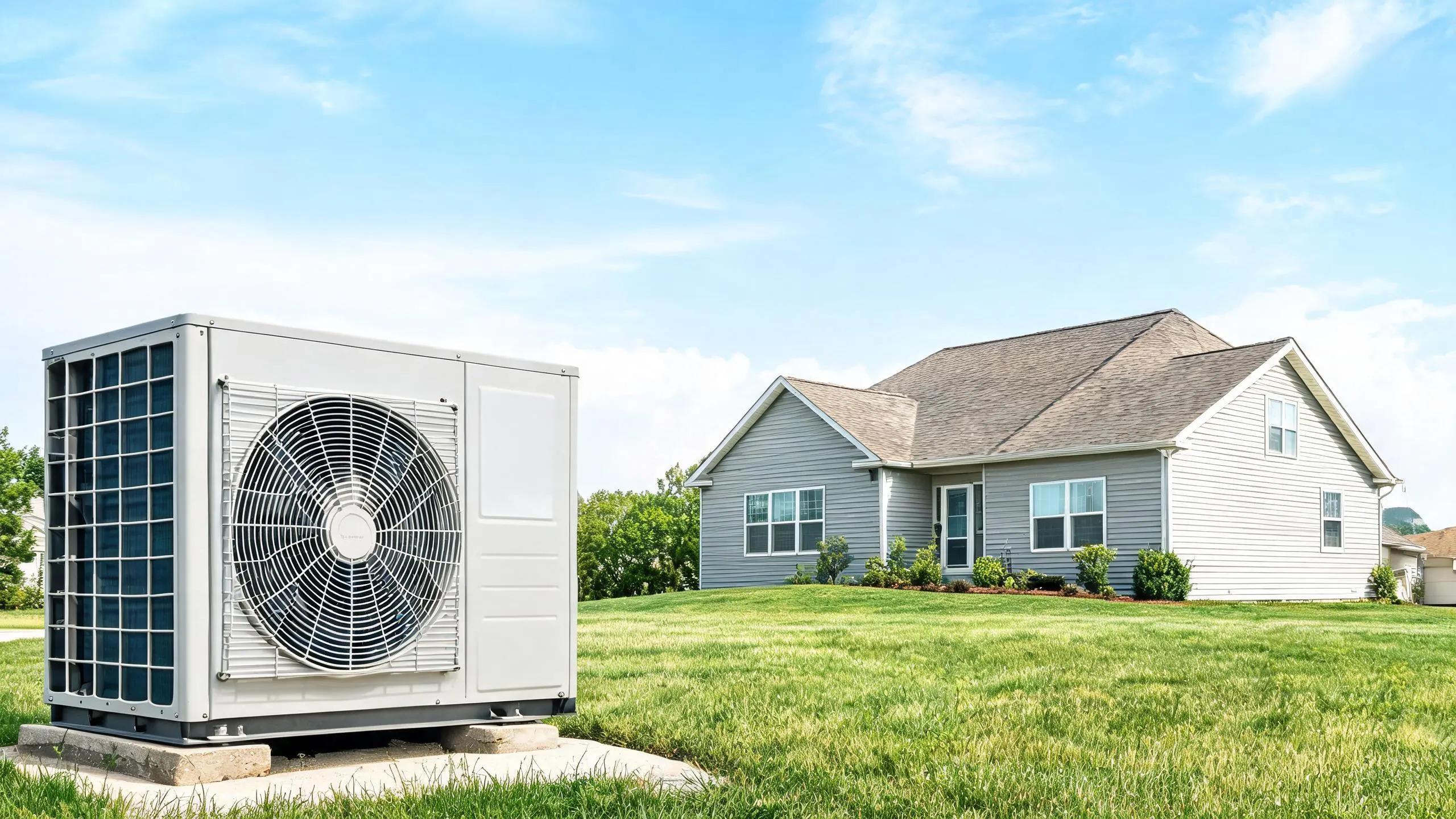
Heat Pump Installation in McAlester, OK
A new system here will heat from November through April and cool from May through September every year. Tell us about the house, and a licensed contractor who covers Pittsburg County will get in touch.
Tell us about the job
It takes about a minute.
What a heat pump in McAlester has to handle
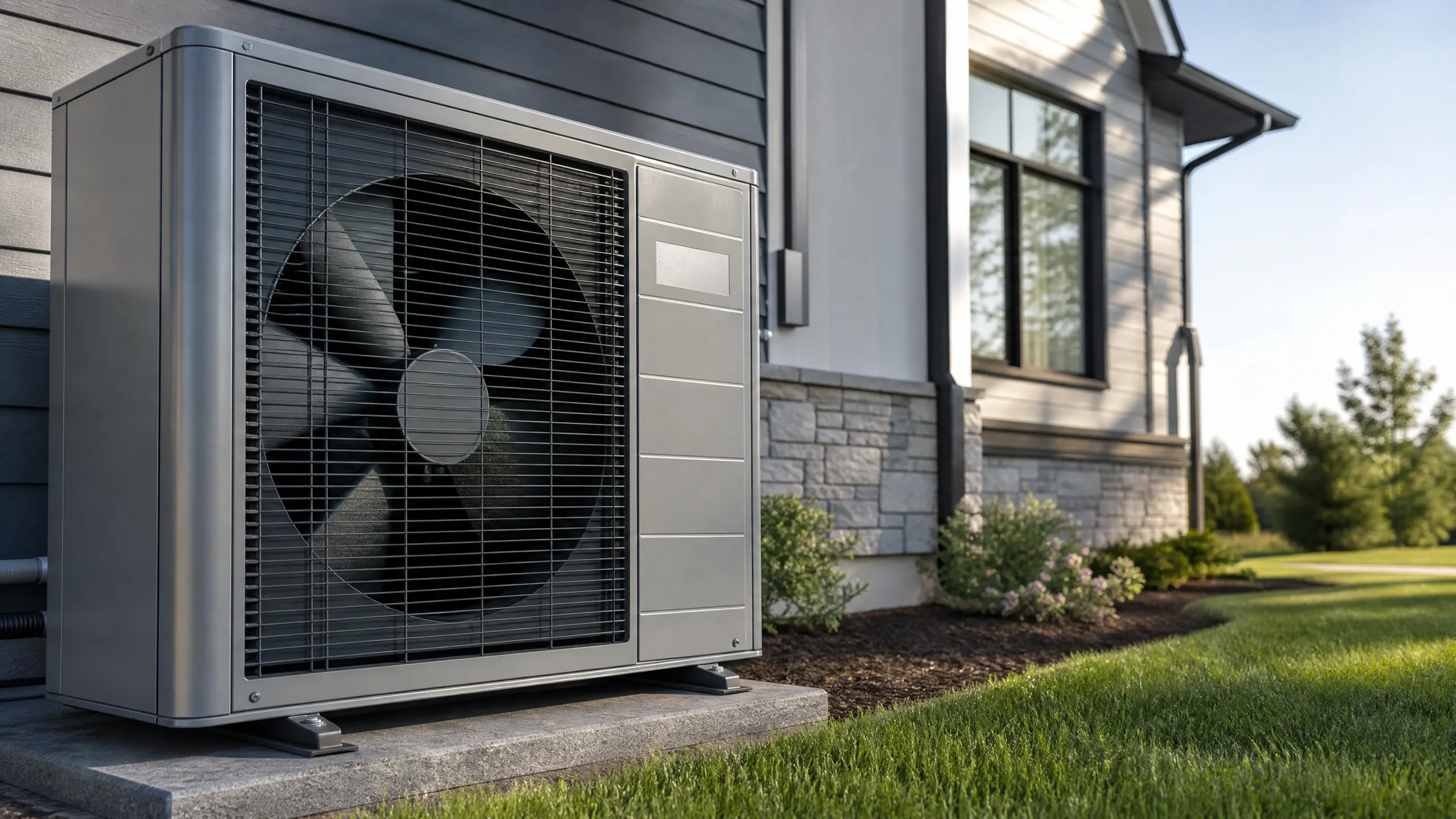
Your heat pump works almost all year here, on through summer afternoons that hit 91°F and winter nights that average 32°F. That's 11 months of the year with the system running one way or the other, so it needs to hold up in both directions, not just one.
More than half the homes in this area heat with electricity, which puts real weight on the heat pump doing its job when it's cold out. And the power itself isn't always reliable. A quarter of Oklahoma households lost power for at least 24 hours in 2024, and this area has logged 9 winter storms and 61 damaging wind events over the past ten years. A new system installed here has to be sized right for both seasons and set up by someone who knows what these storms do to the grid. Any split-system heat pump installed new has to meet federal minimums of 14.3 SEER2 for cooling and 7.5 HSPF2 for heating, so that baseline is set no matter who installs it.
- 6 months
- November through April, your system heats
- 5 months
- May through September, it cools
- 32°F
- the average winter night it heats against
- 91°F
- the average summer afternoon it cools against
NOAA nClimDiv, 1991–2020 normals
Oklahoma requires HVAC contractors to hold a state license.
Oklahoma licenses HVAC contractors through the Construction Industries Board. That license covers the contractor as a whole, not each job, so the same license that qualifies someone to install a heat pump anywhere in the state qualifies them to do it in Pittsburg County.
For this job, that license is what stands behind the person doing the work. In most cities and counties, installing a heat pump also needs a permit from the local building office and an inspection once the work is done, which checks the installation itself, separate from the contractor's license.
Source: Oklahoma State Legislature
- Is a heat pump better than a furnace?
- It depends on what you're comparing it to and what you want it to do. A heat pump handles both heating and cooling from one system, where a furnace only heats, so you'd still need a separate air conditioner alongside it. Here, homes need heat from November through April and cooling from May through September, so a heat pump is doing useful work most of the year instead of sitting idle half the time. A furnace paired with an air conditioner can still make sense depending on the house and how it's set up, which is why a contractor should look at your specific situation before you decide.
- What's the difference between a heat pump and an air conditioner?
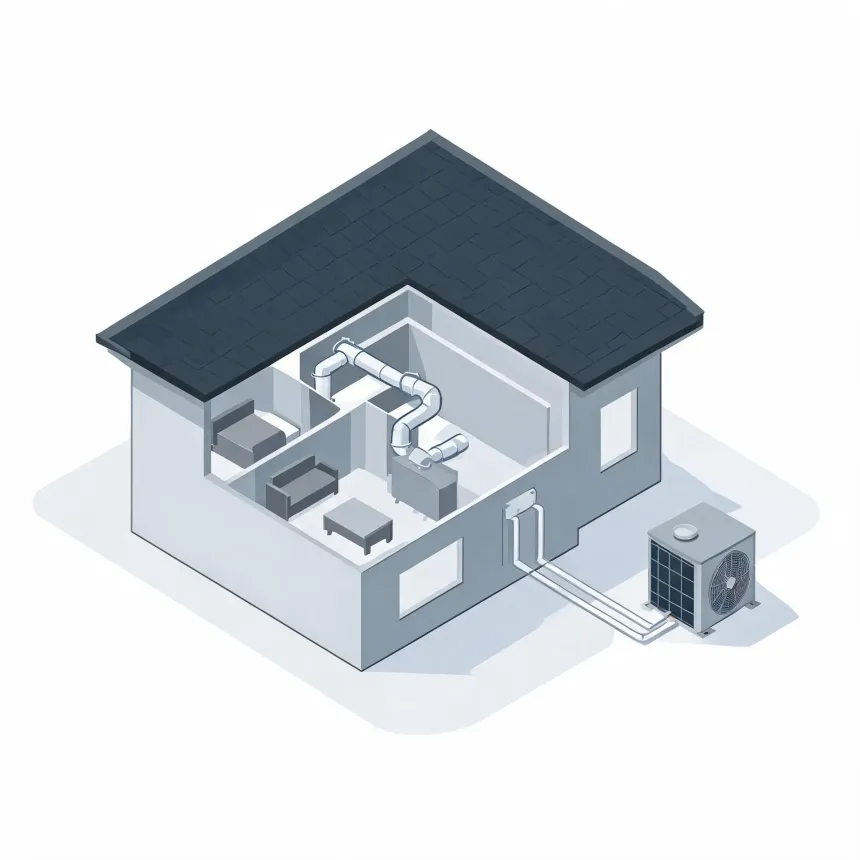
- An air conditioner only cools. A heat pump cools the same way an air conditioner does, but it can also run in reverse to heat your home, pulling warmth from the outside air and moving it inside. That's the whole difference in how they work. Since this area needs both heating and cooling over the course of the year, a heat pump covers both jobs where an air conditioner only covers one.
- Does a heat pump work in cold weather?
- Yes. A heat pump pulls heat from the outside air even when it's cold, because there's still warmth in air down to very low temperatures. Winter nights here average 32°F, which is well within the range a modern heat pump is built to handle. As the outdoor temperature drops further, a heat pump has to work harder to pull that heat, and some systems add a backup heat source for the coldest stretches. A contractor can tell you whether your specific home needs that backup based on the equipment and the house.