
Furnace Installation in Enid, OK
A new furnace here will run from October through April every year. Tell us about the house, and a licensed contractor who covers Garfield County will get in touch.
Tell us about the job
It takes about a minute.
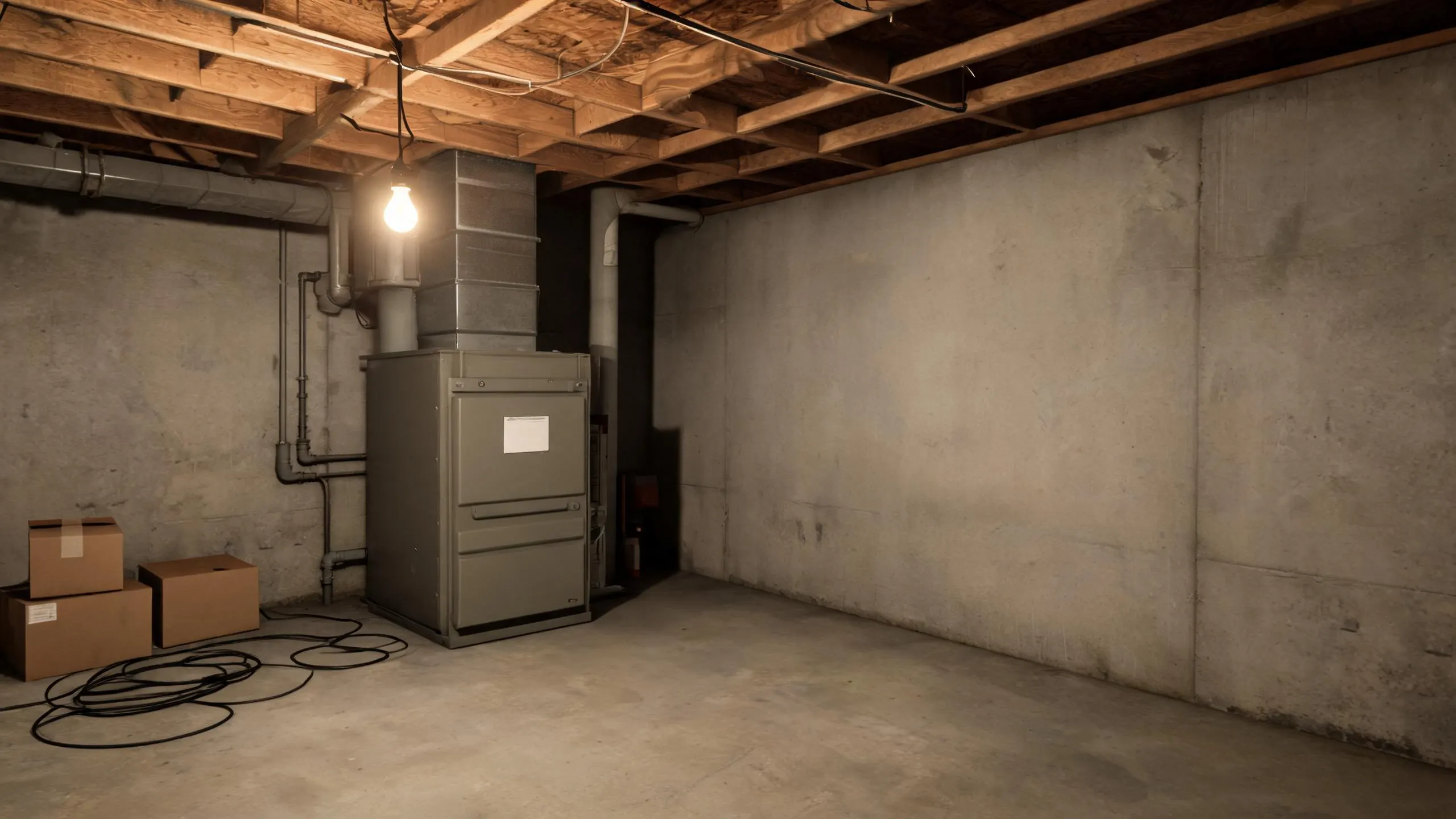
Enid asks a furnace to work seven months a year
Winter nights here average 27°F from December through February, and homes need heat from October through April. That is seven months of runtime, not a few cold snaps. Most homes in Enid heat with gas, so the furnace is doing that work night after night through the whole stretch.
A new furnace installed here has to be sized and installed for that kind of season, not a mild one. Any non-weatherized gas furnace built since November 2015 has to reach at least 80 percent AFUE, so that is the floor to expect on a new installation, not the target.
- 7 months
- October through April, your furnace is on duty
- 27°F
- the average winter night it heats against
- 61%
- of homes here heat with gas, so most furnaces here burn gas
- 80% AFUE
- the federal minimum any new unit must meet
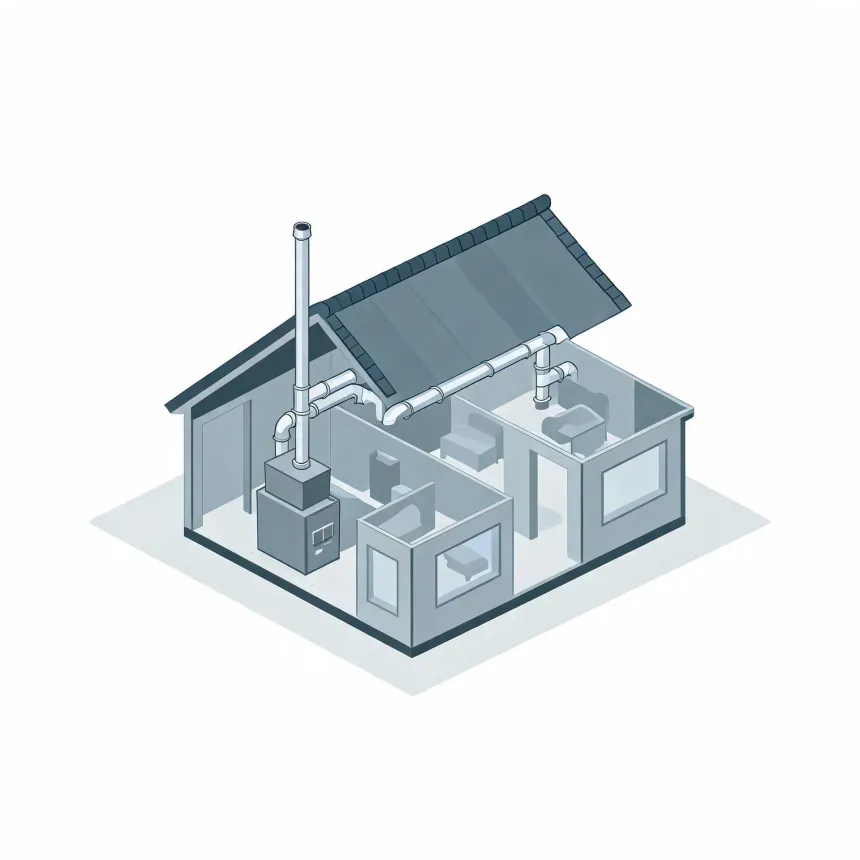
NOAA nClimDiv, 1991–2020 normals

A high-efficiency gas furnace would save about $100 a year to run in Garfield County compared with a gas furnace.
Estimates for a typical Garfield County home, from EIA household energy data, Oklahoma fuel prices and NOAA climate normals. Your home will differ.
Oklahoma requires HVAC contractors to hold a state license.
The license is held by the contractor, not issued per job, so the same license covers this furnace installation and every other job that contractor takes on.
For this job, the license is what stands behind the work. Most cities and counties also require a permit before the furnace goes in and an inspection once it is done, which checks that the gas connections and venting were done right. In Garfield County, where 60.5% of homes heat with gas, that connection is the part worth having inspected.
Source: Oklahoma State Legislature
- What size furnace does my house need?
- The right size depends on your square footage, your insulation, your ceiling height, and how many windows face north. A contractor works this out with a load calculation, not a chart based on house size alone. A furnace that's too big will short cycle and wear out faster. One that's too small will run constantly and still leave rooms cold on a 27°F night. This is worth getting an actual calculation for rather than guessing from the size of the old unit.
- How do I know it's time to replace my furnace?
- Age is one thing to check, but rising repair bills tell you more. If you're calling for service every winter, or one part failing means others are close behind, replacement usually costs less over time than another round of repairs. Homes here run their furnace 7 months out of the year, October through April, so an older unit logs a lot of hours. A cracked heat exchanger is a straightforward call to replace, no matter the age of the unit. If your furnace hasn't needed real repair before now, fixing it is usually the better move.
- Is a high-efficiency furnace worth it?
- It depends on how much you're heating and what you're comparing it to. Every non-weatherized gas furnace sold new since November 2015 has to hit at least 80 percent AFUE, so that's the floor, not a special feature. High-efficiency furnaces go higher than that, and it matters more the longer your heating season runs. With 7 months of heat needed here and winter nights averaging 27°F, a furnace here logs more hours than one in a place that only heats for a few weeks. A contractor can walk you through the actual efficiency ratings and what they'd mean for your specific furnace and home.