
Furnace Installation in Norman, OK
A new furnace here will run from November through April every year. Tell us about the house, and a licensed contractor who covers Cleveland County will get in touch.
Tell us about the job
It takes about a minute.
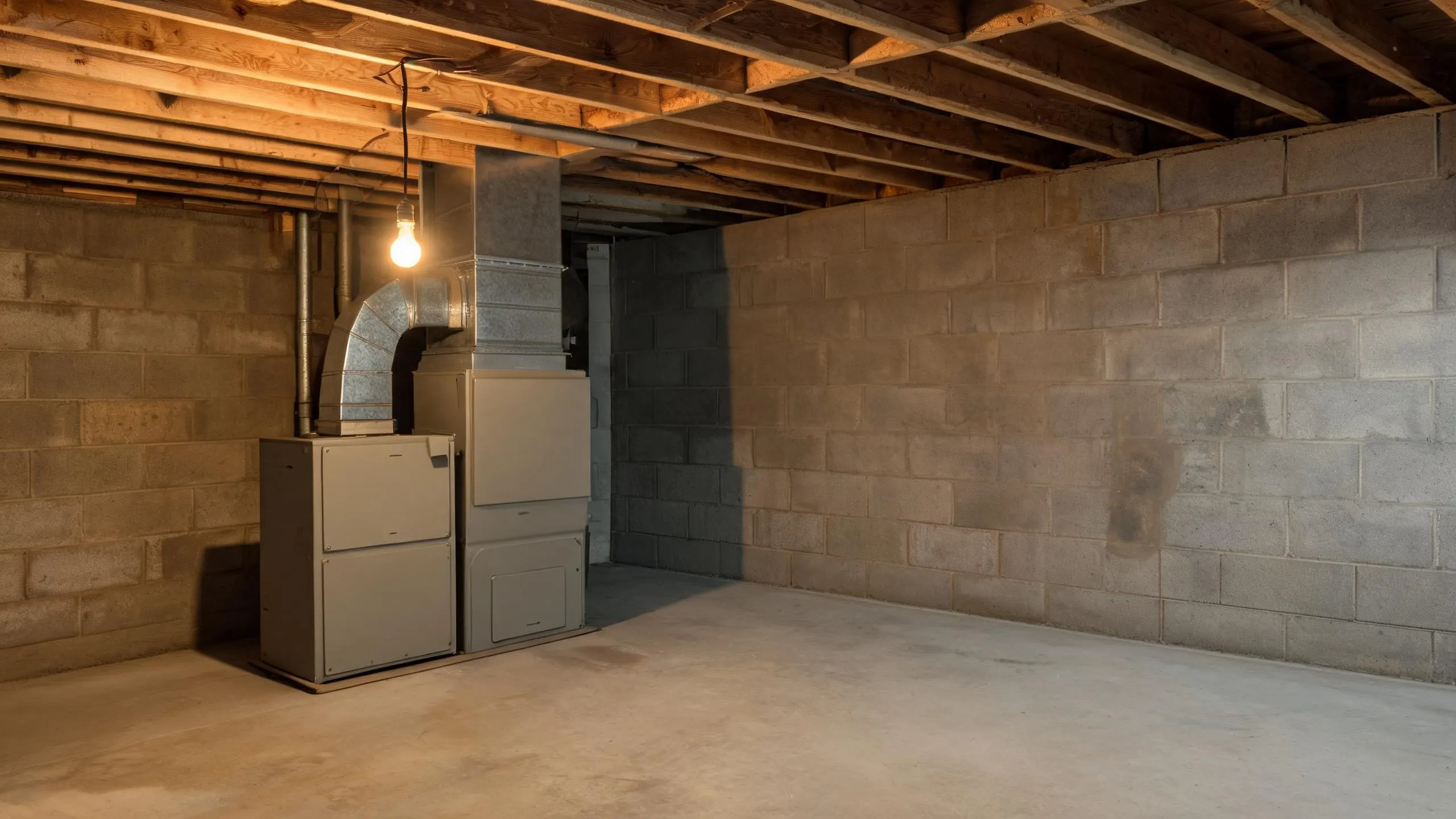
Six months of heat, nights near 30°F
Norman needs the furnace running from November through April. Nights average 30°F through the coldest stretch, so a new furnace has months of steady work ahead of it, not just a few cold snaps.
Most homes here heat with gas, and the county has logged 10 winter storms and 163 damaging wind events over the past ten years. A quarter of Oklahoma households lost power for at least 24 hours in 2024, so a furnace that starts back up on its own when the power returns matters. Any furnace installed now has to meet the federal minimum of 80 percent AFUE, meaning at least that much of the fuel it burns becomes heat in the house instead of exhaust up the flue.
- 6 months
- November through April, your furnace is on duty
- 30°F
- the average winter night it heats against
- 56%
- of homes here heat with gas, so most furnaces here burn gas
- 80% AFUE
- the federal minimum any new unit must meet
NOAA nClimDiv, 1991–2020 normals

A high-efficiency gas furnace would save about $80 a year to run in Cleveland County compared with a gas furnace.
Estimates for a typical Cleveland County home, from EIA household energy data, Oklahoma fuel prices and NOAA climate normals. Your home will differ.
Oklahoma requires HVAC contractors to hold a state license.
The license is held by the contractor and their business, not issued fresh for each job. The Construction Industries Board tested that contractor before putting their name on file, and that record stays with them from one job to the next.
For a furnace installation, that license tells you the person doing the work was vetted by the state. In most cities and counties, a permit is also needed for this kind of job, and an inspector checks the work once it's done. That inspection is what catches a bad gas connection or a venting mistake, which is the part of a furnace installation that can actually hurt someone. In Cleveland County, 55.6% of homes heat with gas, so that check is not a formality here.
Source: Oklahoma State Legislature
- What size furnace does my house need?
- The right size depends on your square footage, your insulation, your windows, and your home's layout, so there is no single number that works for every house. A contractor sizes a furnace by doing a load calculation on your home, not by going off the old unit or a rule of thumb. Putting in one that is too big or too small wastes fuel and wears out faster, so this step is worth doing properly.
- How do I know it's time to replace my furnace?
- If your furnace is struggling to keep up, cycling on and off more than it used to, or needing repairs every winter, it is time to start looking at replacement. Age matters too. Furnaces here run six months a year, November through April, and that steady workload adds up over the years. If a repair bill comes in and the furnace is already older, ask the contractor whether replacing it makes more sense than fixing it again.
- Is a high-efficiency furnace worth it?
- It depends on how much you run your furnace and what you are paying now to heat your home. With winter lows here averaging 30°F and homes needing heat for six months of the year, a furnace here gets real use, which is where higher efficiency has the most chance to pay off. Every new non-weatherized gas furnace has to reach at least 80 percent AFUE by law, and high-efficiency models go well above that. A contractor can walk you through the options for your home and your budget.