Heat Pump Repair in Durant, OK
Homes here need heat from November through March and cooling from May through September. If your system quits, tell us what it's doing and a licensed contractor who covers Bryan County will get in touch.
Tell us about the job
It takes about a minute.
Ten months of run time wears on a heat pump here
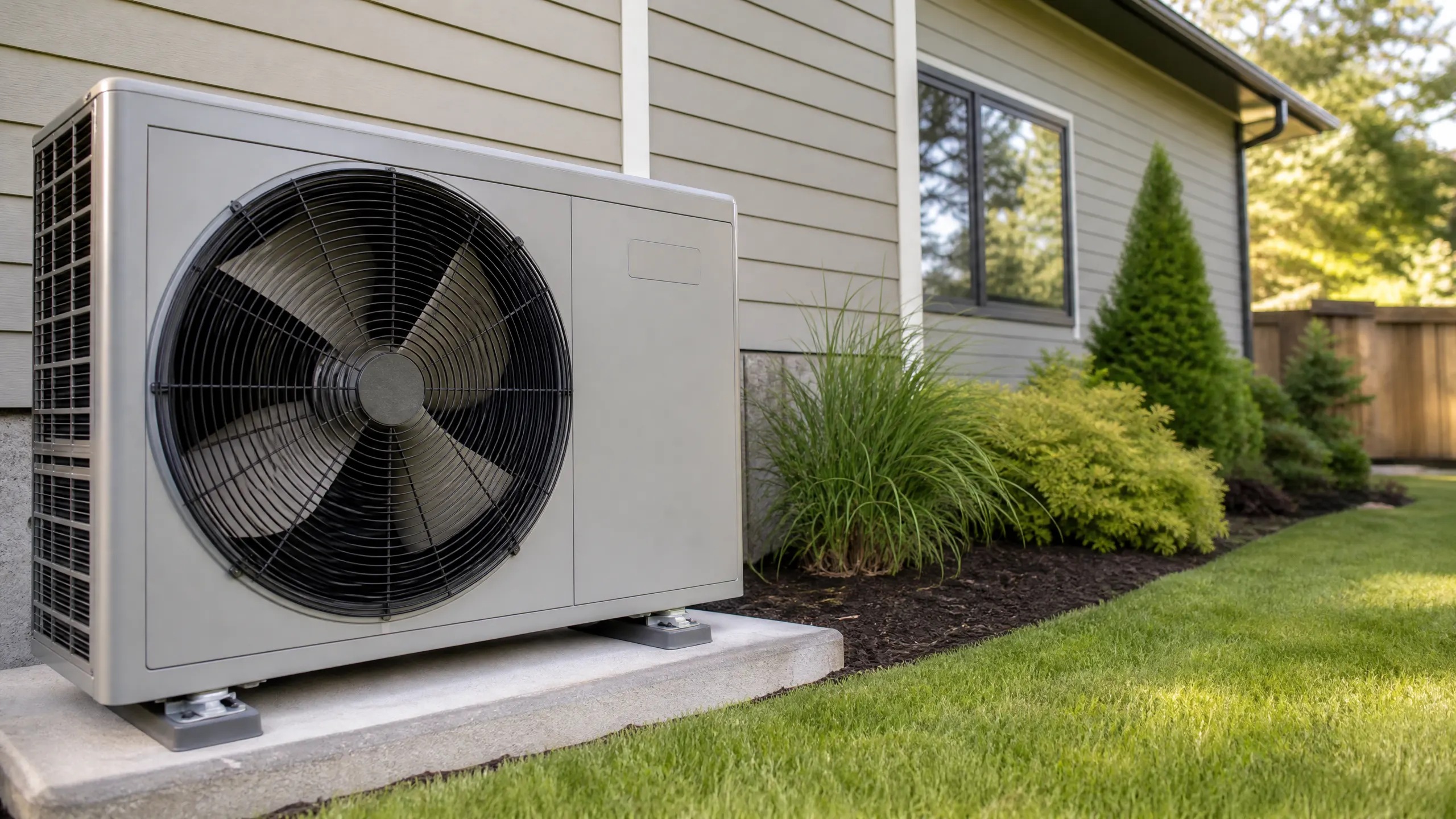
Your heat pump works most of the year in Durant. It heats from November through March, when nighttime lows average 34°F, then switches to cooling for May through September, with afternoons hitting 93°F. Ten months of the year, one system is carrying the load, and the parts that start it up and reverse it between heating and cooling cycle far more than they would somewhere with a real off season.
Most homes here heat with electricity, so when the heat pump struggles in a cold snap, there is no backup furnace quietly taking over. Bryan County has also seen 50 damaging wind events over the past ten years, and a quarter of Oklahoma households lost power for a day or more in 2024. A heat pump that loses power and does not restart on its own will leave a house without heat or cooling until someone resets it.
- 5 months
- November through March, your system heats
- 5 months
- May through September, it cools
- 34°F
- the average winter night it heats against
- 93°F
- the average summer afternoon it cools against
NOAA nClimDiv, 1991–2020 normals
Oklahoma requires HVAC contractors to hold a state license.
The Construction Industries Board tests contractors before it licenses them, and it keeps a record of who holds a license in the state. That license covers the contractor, not the specific job, so the same license that qualifies someone to work on a furnace also qualifies them to work on your heat pump.
A heat pump repair usually means opening the refrigerant side of the system, and that work needs something beyond the state license. Federal law requires EPA Section 608 certification for anyone who handles refrigerant, in Oklahoma or any other state. Between the two, the state license accounts for the contractor and the federal certification accounts for the refrigerant work itself.
Source: Oklahoma State Legislature
- Why is my heat pump blowing cold air?
- In heating mode, the air from the vents should feel warm, not hot the way a furnace feels, but it should not feel cold either. If it feels cold to the touch, the system may be stuck in defrost, low on refrigerant, or the reversing valve may not be switching over correctly. A thermostat set to "emergency heat" or with the fan set to "on" instead of "auto" can also cause this, so check those settings first. If the settings are right and the air still feels cold, a contractor will need to check the refrigerant charge and the reversing valve.
- Why is there ice on my heat pump?
- Some frost on the outdoor unit in winter is normal, and the heat pump should clear it on its own through a defrost cycle every so often. If ice keeps building up faster than it melts, or covers the coil heavily, airflow is being blocked somewhere. This can come from a dirty coil, a failed defrost control, low refrigerant, or a fan that has stopped running. A heat pump that cannot defrost itself needs a contractor to check the defrost board and the refrigerant charge.
- Why is my heat pump running but not cooling?
- The outdoor unit and indoor fan are running, but the air coming out is not cold. That points to something blocking the transfer of heat rather than a failure to start. A dirty air filter, a coil covered in ice or dirt, or a low refrigerant charge are the common reasons, and any of them can keep the system from moving heat out of the house even while it keeps running. Summer afternoons here reach 93°F, so a heat pump that has lost cooling capacity shows up fast. A contractor will need to check refrigerant levels and airflow to find which one it is.