Why does my laundry room get so hot when the dryer runs?
Running a load in August already feels like enough heat for one day, and then the laundry room turns into its own small furnace on top of it. You start wondering if that's normal or if something about the dryer itself is working harder than it should, pushing heat into the room instead of out of the house where it belongs.
A clogged dryer vent is pushing hot, wet air into the room instead of outside
Your dryer heats air, pushes it through wet clothes, then sends it out through the vent to the outside of the house. When lint builds up inside that vent, the air can't get out fast enough. Some of it backs up into the laundry room instead, along with the heat and moisture it's carrying. With summers here already sticky, that extra moisture has nowhere easy to go, so the room feels hotter and damper than the rest of the house. A dryer running against a blocked vent also runs longer to dry the same load, which means more heat added to the room with every cycle. Cleaning the vent clears the path so the heat and moisture go outside like they're supposed to.

Where the heat is coming from
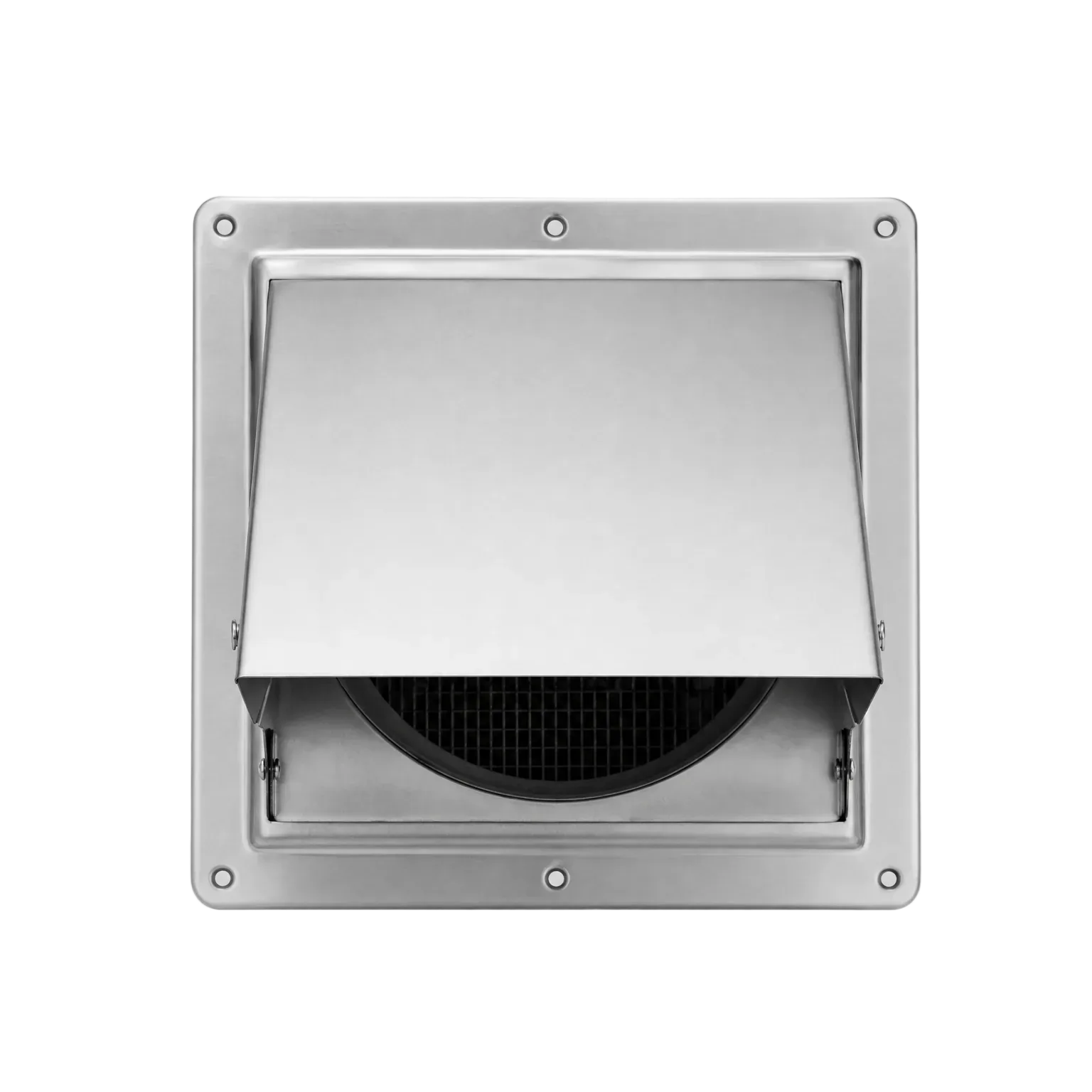
A dryer pulls air in, heats it, and pushes it back out through the vent hose to the outside. When the vent is clear, most of that heat leaves with the exhaust. When lint has built up along the hose or at the wall hood, the hot air has nowhere to go but back into the room. The dryer keeps heating that trapped air every cycle, and the room holds onto it long after the load is done.

What a clogged vent does to the dryer
A restricted vent makes the dryer work harder to push air out, so the drum and the heating element stay on longer to dry the same load. That extra run time is what you feel standing in the room, and it's also what shows up on your gas bill since most dryers in Oklahoma run on gas. A vent cleared of lint lets the dryer vent properly and shut off when the clothes are actually dry.
Does your laundry room stay hot after the dryer shuts off
Walk in an hour after the cycle ends and the room should feel close to the rest of the house. If it's still warm, or the air feels thick and a little damp, that's exhaust that never made it outside. You might notice the wall hood barely moves when you hold your hand near it, or the hose feels hot along its whole length instead of just near the dryer. Clothes coming out damper than they should, or taking two cycles to dry, point the same direction. A dryer working against a blocked vent runs longer and hotter than it was built to, and that heat has to go somewhere. Left alone, lint packed into a hot vent is also how dryer fires start.




Describe it once
A hot laundry room in July is annoying. A dryer vent packed with lint and still running every week is a fire risk, and that's the part worth acting on. You could start calling around, but most of the numbers you find aren't local, and you'd end up explaining the same thing about your vent run and your hose length to three or four companies before you even get a quote. Send the request instead and it goes to one contractor who works in Oklahoma, someone who clears these vents all summer in homes with the same gas dryers and the same stuck-on heat you're dealing with. They've seen what builds up in a vent this time of year and what it takes to clear it out properly, not just at the hood but back along the hose where it usually hides. That's one call, to someone who already knows what's likely wrong before they get there, instead of a list of strangers you have to sort through yourself.
A clear vent versus a clogged one
A clear vent lets a dryer run one cycle and be done. The hot air goes out the hose, out the wall hood, and outside, and the laundry room settles back down within a few minutes. The dryer also shuts off on schedule, because the moisture sensor or timer is reading what it should. You load, run it, and move on with your evening.
A clear vent versus a clogged one
A clogged vent makes the same dryer work against itself. The hot air has nowhere to go, so it backs up into the drum and the room around it. The dryer senses damp clothes that are actually just sitting in trapped humidity, so it runs another ten or fifteen minutes trying to finish a load that was already done. That's more heat in the room, more gas burned on a cycle that didn't need to run again, and more lint sitting hot in a space it shouldn't be.



Lint builds up inside the hose and at the wall hood.
Trapped lint narrows the path the exhaust air needs.
The dryer's heating element keeps running to finish the cycle.
Hot exhaust backs up into the hose instead of venting out.
Power costs 13.21 cents per kilowatt-hour statewide
At 13.21 cents per kilowatt-hour, running the dryer longer than it needs to isn't the expense that should worry you. The real cost of a clogged vent is the heat it traps in that room and the lint it leaves sitting next to a heating element that keeps cycling to finish the load.
EIA-861 2025 statewide residential average


A hot laundry room is the dryer telling you the air isn't getting outside the way it should. Clear that vent and the room goes back to normal, and the dryer stops working overtime to finish a load. Finding someone for this isn't like calling around for a big repair. A dryer vent cleaning is the kind of job a local contractor handles all the time, in houses built the same way as yours, with the same lint traps and the same wall hoods. You'll get matched with one contractor who already knows what a packed vent in an Oklahoma summer looks like, not a handful of companies competing for your callback. No explaining the problem over and over, no sorting through quotes from people who've never seen your setup. Just someone who works on this equipment every week and knows what to check first.

Dryer Vent Cleaning
No phone calls to make

- A local pro who cleans dryer vents gets in touch with you.
- Your dryer vent cleaning request goes to a local pro who does this work.

- Send the form and finding a dryer vent cleaner is handled.
- One request and the dryer vent cleaning stops waiting on you.

- Answer a few questions instead of calling shop after shop.
- Describe your dryer vent job once, to one pro.

- Your request stays with one local pro.
- Your request goes to one pro, not a list of companies.