


Oklahoma HVAC Pros
Side profile of a bearded man wearing a faded dark blue baseball cap and a matching dark T-shirt against a plain light gray background.

Why your dryer takes so long to dry in Oklahoma

Duct and vent cleaningOklahoma
Step 1 of 3

What kind of equipment?

A dryer that takes two or three cycles to finish is usually fighting a clogged vent, not a broken machine. Lint builds up inside the vent line itself, not just the trap, and once it narrows the path, hot moist air has nowhere to go. The dryer keeps heating, the clothes stay damp, and the cycle runs long trying to compensate. Oklahoma summers add to this. Muggy outside air pulls down how fast a vent can push moisture out, so a line that worked fine in a dry spell backs up once it gets sticky out. A clogged vent also makes the dryer run hotter and longer than it should, which is wear on the heating element and the motor over time. If your drying times have crept up over the past few months, the vent line is the first place to check, not the dryer itself.

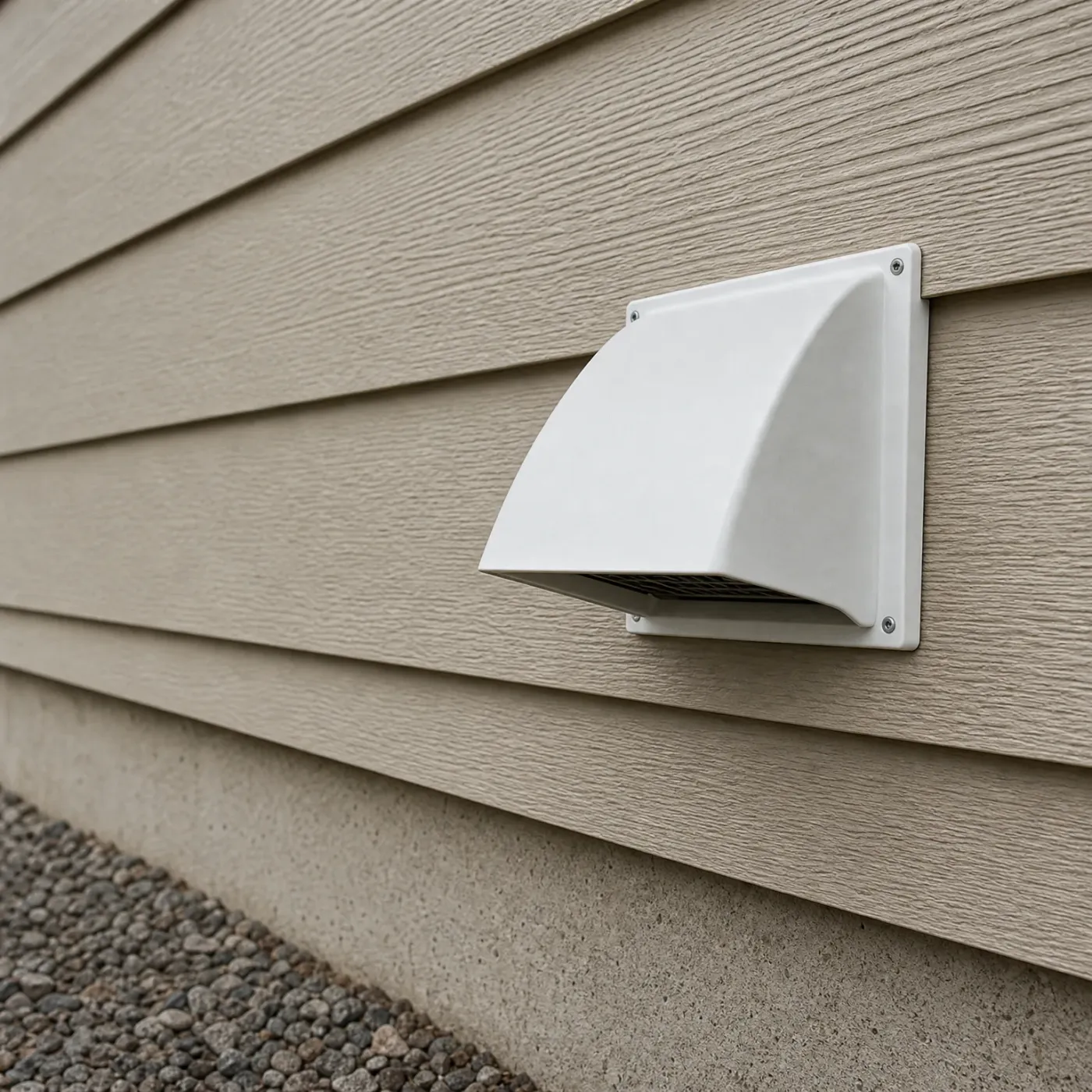
A white square dryer vent hood with a hinged flap mounted on light gray horizontal siding above a concrete foundation wall.
The flap hangs open and moves freely, letting hot moist air escape fast so clothes dry in one cycle.
A white plastic hooded dryer vent screwed into light gray horizontal lap siding above a concrete foundation wall, with lint and dirt visible inside the vent opening.
Dirt and lint ring the opening, holding the flap shut and trapping heat that should be venting outside.

Your dryer doesn't guess when clothes are dry. It reads the air coming back from the vent line. Hot air moves through the drum, down the vent, and out through a flap on the outside wall, and a sensor checks that returning air before the dryer decides to shut the heat off. When lint has narrowed that line, the air slows down and carries its heat and moisture right back into the drum. The sensor reads that as wet clothes, even when they are nearly done, so the dryer keeps burning heat it already used once. In an Oklahoma summer, the air outside is already heavy with moisture, so a dryer pushing against a clogged line is fighting two things at once instead of one. If you heat with gas, that extra cycle means the burner stays lit longer to produce heat that never makes it outside. Power here is cheap, but gas isn't, and a dryer stuck running two or three cycles is paying for air it never actually moved.

How a blocked vent fools the dryer

  • Every dryer forces hot air through the drum, down the vent line, and out a flap on the outside wall.
  • A moisture sensor or thermostat inside the drum tells the dryer when the air coming back is dry enough to shut off the heat.
  • When lint narrows the vent, air moves slower and carries heat back into the drum instead of leaving the house.
  • The dryer reads that trapped heat and moisture as clothes still being wet, so it keeps running past a normal cycle.
  • Summers here add humidity to the air the dryer is already fighting to push out through a blocked line.
  • A gas dryer keeps burning fuel to produce heat it cannot vent, so the extra cycles cost more than electric ones would.
A smiling man in a dark green shirt over a white t-shirt sits at a kitchen counter with a dark mug, looking off to the side, with shelves, plants and a bright living area behind him.
A man in a gray long-sleeve waffle-knit shirt smiles and looks off to the side in a kitchen with open shelving, a refrigerator, a wooden sideboard with a potted plant, and a glass door to the right.
A man in a dark green ribbed sweater stands smiling and looking off to the side beside a stone kitchen counter with a ceramic mug, with a dining table, pendant lights, and large windows in the background.
A bearded man in a gray long-sleeve shirt stands smiling and looking off-camera beside a kitchen counter with a white mug, with a living room, fireplace and wall-mounted television behind him.
A white hooded exterior vent cover with a screened opening mounted on beige lap siding above a concrete foundation and gravel strip.

Finding a pro stops being your job

Your dryer vent cleaning request goes to one local pro.

Send the form and the dryer vent cleaning stops sitting on your list.

Reach a local pro

No fee to send it, and nothing to sign.

A white hooded dryer vent mounted on light-colored lap siding above a concrete foundation, with lint clogging its opening.
Before you get your dryer vent cleaning
A stainless steel hooded dryer vent with four corner screws mounted on white horizontal lap siding above a gray concrete foundation.
After you get your dryer vent cleaning

A dryer pulls in outside air to heat it, so in July and August it's already starting with air thick with moisture off the Oklahoma humidity.

That moisture has to leave through the vent along with what comes out of your clothes, so a vent that's already narrowed with lint has even less room to push it all out.

Power costs 13.21 cents per kilowatt-hour statewide

At 13.21 cents a kilowatt-hour, a dryer stuck on a second or third cycle is burning real money to push air through a line that's already clogged. Clear the vent and the dryer shuts off on time instead of running past when your clothes are already dry.

EIA-861 2025 statewide residential average

A white hooded exterior vent cover with a mesh screen mounted on gray lap siding above a concrete foundation.

Vent clear and venting

This is a clean outside vent. The flap sits loose in its hood, the screen is open, and air pushes past it without a fight. Warm moist air leaves as fast as the dryer pushes it out, so the drum reads dry air coming back and shuts the heat off on schedule.


A white plastic hooded dryer vent mounted on beige lap siding, with gray lint clogging its louvered opening and hanging below it.

Vent clogged with lint

This is what a dryer vent looks like after months of lint passing through without a cleaning. Lint has built up around the opening and hangs off the flap itself. Air backs up into the line instead of leaving the house, so the drum stays warm and humid and the dryer keeps running past when it should have stopped.

A bearded man in a dark blue T-shirt sits on a gray couch, smiling and looking down to his left, with a bookshelf and a bright window behind him.
A bearded man in a plaid flannel shirt looks out a window at snow-covered conifer trees, with a steaming ceramic mug on the sill and wooden shelves holding dishes and a plant behind him.

The Short Answer on Long Dry Times

  • A dryer running two or three cycles is almost always a vent problem, not a dryer problem.
  • Clearing the line lets the moisture sensor read dry air on schedule and shut the heat off when it should.
  • A vent cleared now keeps that humid Oklahoma air moving out instead of backing up into the line.
  • A local contractor who works on vents all year knows where lint packs in first and checks it without guesswork.
  • One contractor takes the job, so you deal with a single visit instead of sorting through several companies.
  • Once the vent runs clear, the dryer goes back to drying clothes in one cycle instead of three.

A dryer that won't finish in one cycle is telling you something about the vent, not the machine. Oklahoma summers load the air with moisture before the dryer even starts, and that air has to leave through the vent along with what comes out of your clothes. When lint has narrowed that path, the moisture sensor inside the drum never reads dry air, so the dryer keeps heating well past the point your clothes are actually done. That's the whole problem, and it's a vent problem, not a dryer problem.

Clearing the line fixes it directly. Once air moves freely again, the sensor reads dry air on schedule and the heat shuts off when it should, instead of running a second or third cycle to push air through a clogged line. You stop paying to run a dryer longer than it needs to run.

Getting that done doesn't have to turn into a research project. A contractor who works on vents all year in this climate has seen where lint packs in first on homes like yours and knows what to check without guessing. The match you get through this page is one contractor, local to you, so you're not fielding calls from several companies trying to win the job. You send the request once and the search for someone qualified stops being your problem to solve. From there it's a matter of getting the vent clear and letting the dryer do what it was built to do: dry a load in one cycle.

A dark wood cabinet with a drawer and black knob holds a ceramic vase of green leafy branches and a wooden bowl, beside a window with a woven basket of knit blankets.
Sunlit interior corner with white baseboard molding, cream walls, a wood floor, a woven jute rug, and a potted green plant on a window sill with trees visible outside.
Sunlight falls across a marble countertop by a window, where a small stone bowl with pebbles sits beside a potted pothos plant in a ceramic planter and a folded beige towel.
Exterior corner of a house with lap and shingle-style siding, a white gutter and downspout with offset elbows, a stone veneer base, a window at right, and flowering hydrangea shrubs at lower left in warm low-angle light.
A wooden console cabinet with a caned front holds a ceramic vase of green leafy branches and a shallow wooden bowl, below a framed landscape print on a beige wall beside a curtained window.

Let someone else find the pro

Your request goes to one pro, not a list of companies.

Find a licensed dryer vent pro

Sending the form costs nothing.