Lint is the fuel
It burns fast and it catches easy. A clogged vent lets it pile up right where the dryer's heat collects, instead of carrying it outside.
Yes. Lint builds up in the vent line and in the duct behind the dryer, and lint catches fire easily. When the vent is clogged, hot air and heat have nowhere to go, so they back up into the dryer itself instead of venting outside. That heat has to sit somewhere, and it sits right next to the lint that's trapped in the line. It's one of the more common causes of house fires traced back to a single appliance. In Oklahoma, humid summers mean laundry often runs more to keep up, which means more lint moving through that vent and more chances for it to build up unnoticed. A dryer that's taking two or three cycles to dry a load, or one that feels hot to the touch on top, is already telling you the vent is restricted. The fix is getting the line cleared out so air moves through it the way it's supposed to.


It burns fast and it catches easy. A clogged vent lets it pile up right where the dryer's heat collects, instead of carrying it outside.
Oklahoma summers already run hot and sticky. Add a dryer running longer and hotter because the vent can't clear, and that heat builds up with nowhere to escape.
Run a hand along the vent hood outside while the dryer runs. If you feel only a weak puff of air, or none, the line is blocked somewhere between the drum and the outside wall. Inside the house, check the lint trap and the drum itself: if clothes come out hot to the touch and still damp after a full cycle, or the dryer has to run twice to finish a load, that's the clog pushing heat back into the machine instead of letting it out. You might also notice the laundry room feels warmer than it used to, especially with an Oklahoma summer already pushing the house temperature up. A dryer running long and hot, cycle after cycle, is lint sitting where it can catch.

Every load adds a little more lint to the line, and most homeowners never look behind the dryer until something goes wrong. Years pass. The vent still pushes air, but slower each season, and the dryer runs hotter and longer to finish the same load. You notice the extra time before you notice the risk. By the time clothes come out hot to the touch after a full cycle, lint has likely been building for a long while.

Someone who services dryer vents all season knows where lint actually collects, usually at the bends in the line and right at the hood where it meets the outside wall. Clearing it means the dryer vents the way it was built to, pushing hot moist air straight outside instead of letting it sit in the line. You stop running extra cycles to get clothes dry, and the heat that was building behind the drum has somewhere to go again.




Your request stays with one local pro.
Answer a few questions instead of calling shop after shop.
No fee to send it, and nothing to sign.
You've heard clogged vents can catch fire, but you want to know if yours is actually at that point or if it's something you can keep an eye on for now. You're not looking for general warning signs you've already read about elsewhere. You want to know what separates an ordinary dirty vent from one that's genuinely dangerous, and whether there's a way to tell before it's too late.
Most clogged vents give warning before they're a real fire risk, but a few signs mean the danger is immediate. If the vent hood outside is hot to the touch while the dryer runs, or you smell something burning, lint has already ignited or is close to it. Shut the dryer off and don't run it again until the line is cleared. A vent that's merely slow, pushing weak air but no smell or heat, is still a problem worth fixing, just not an emergency. The difference is heat built up against the drum with nowhere to go versus heat that's actually reached the point of scorching lint inside the duct.





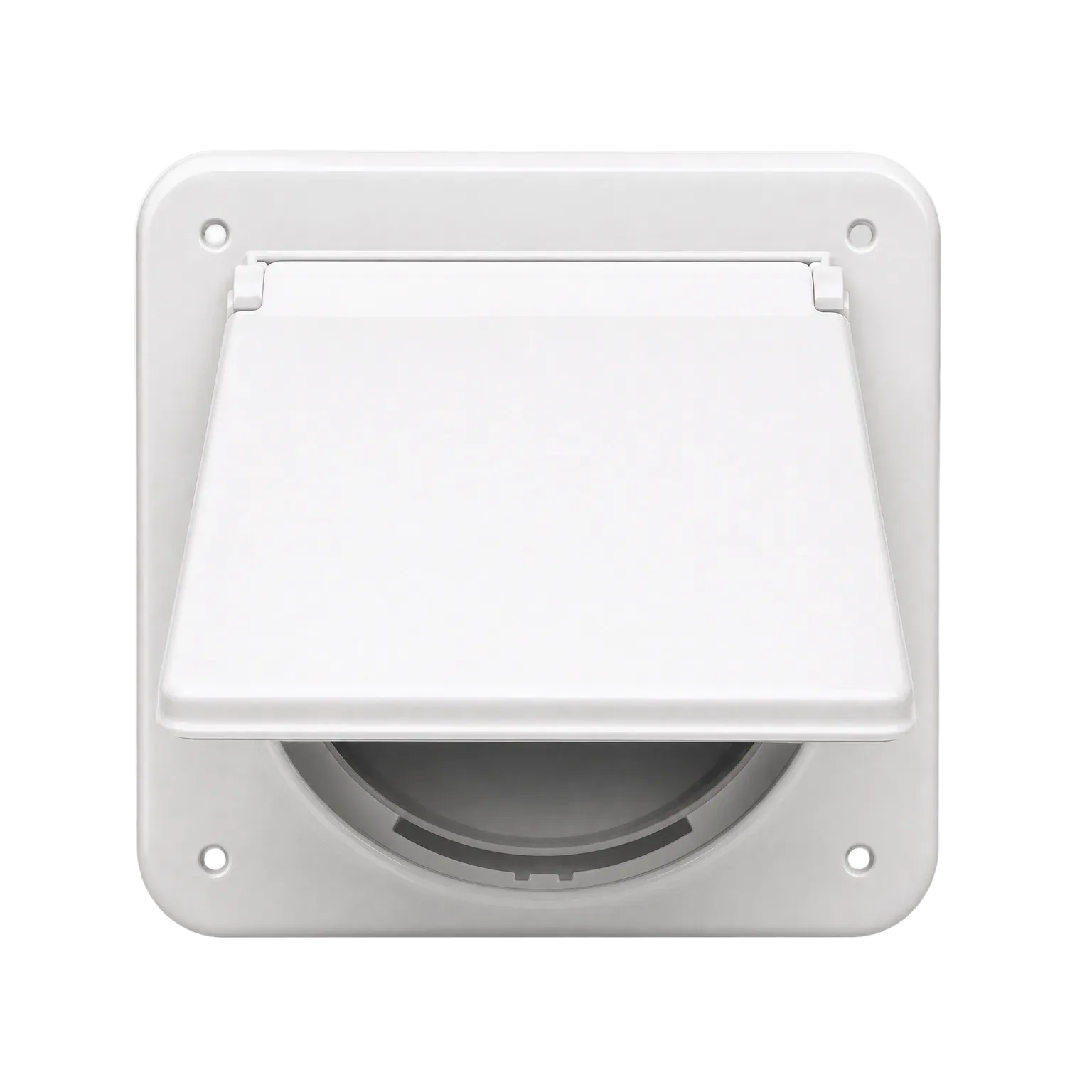
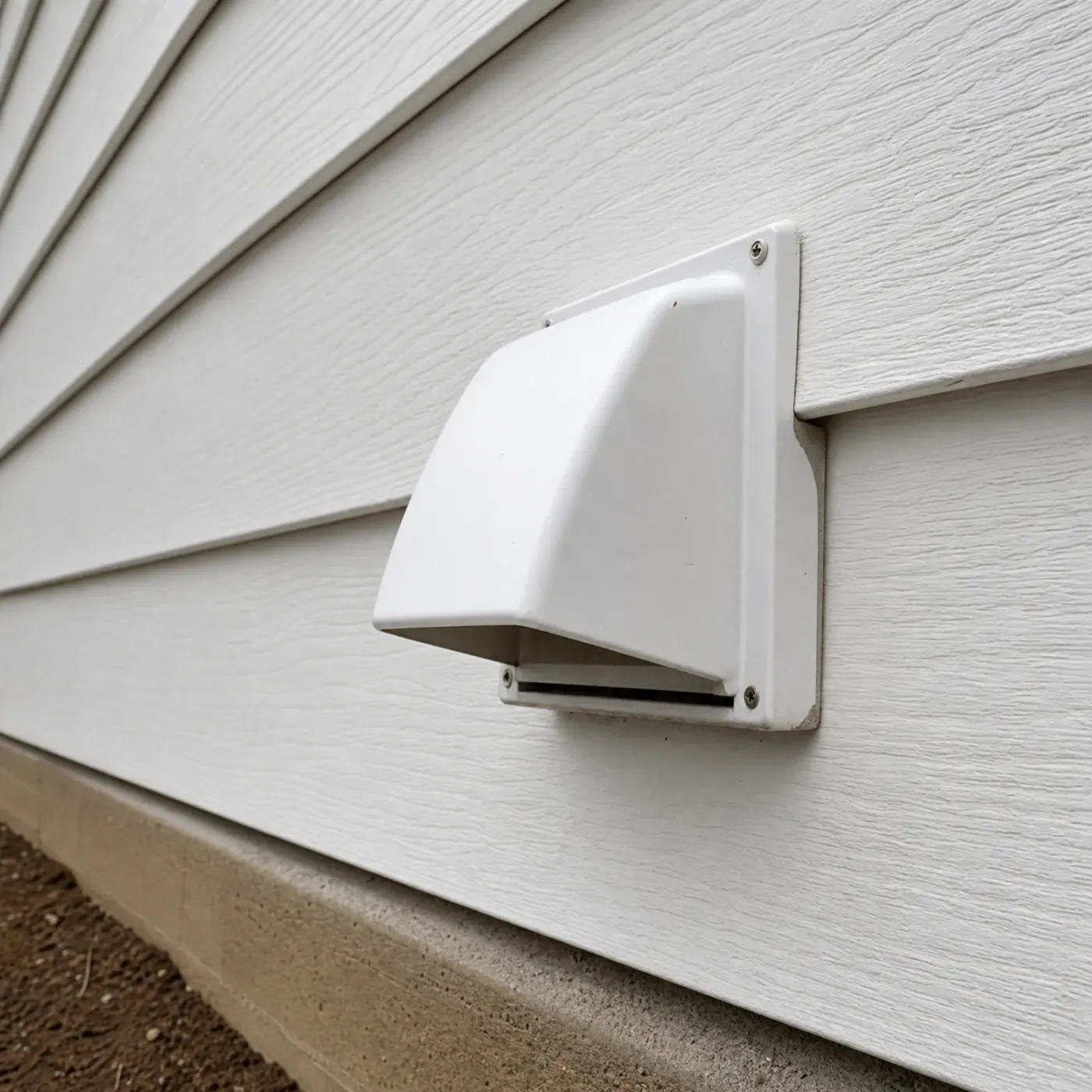
Air pushes the hood open and clears out fast every time the dryer runs. Screws holding the cap tight, nothing blocking the opening. Heat and moisture leave the house instead of building up in the line behind the wall.

Lint has packed in so thick it props the flap open on its own. Air that should carry heat outside is pushing against a wall of lint instead, with nowhere left to go but back into the dryer.
At 13.21 cents a kilowatt-hour, a dryer isn't the expensive part of your bill, the time it runs is. A clogged vent makes every load take two or three cycles instead of one, and that's the extra hour costing you, on top of the heat it's holding against the drum.
EIA-861 2025 statewide residential average
Lint builds up inside the vent line with every load dried.
Airflow slows and heat starts backing up toward the drum.
The dryer runs hotter and strains to push air out.
Trapped heat ignites the lint sitting against the duct wall.

Lint behind the dryer is fuel, and a blocked vent is what lets the heat sit right next to it instead of carrying it outside. That is true in every home in Oklahoma, whether the dryer runs twice a week or every day through a humid summer. If yours is pushing weak air at the hood, or taking longer to dry than it used to, the vent is telling you something.
Finding out who clears vent lines for a living usually means sorting through a handful of listings, calling a few, and explaining the same thing more than once before anyone shows up. This page connects you to one licensed contractor working in your area, someone who deals with vent lines in homes like yours all year and knows what a blocked one looks like before you finish describing it. You explain it once, to the person who's actually coming.


Your request goes to one pro, not a list of companies.