

Sealed and tight
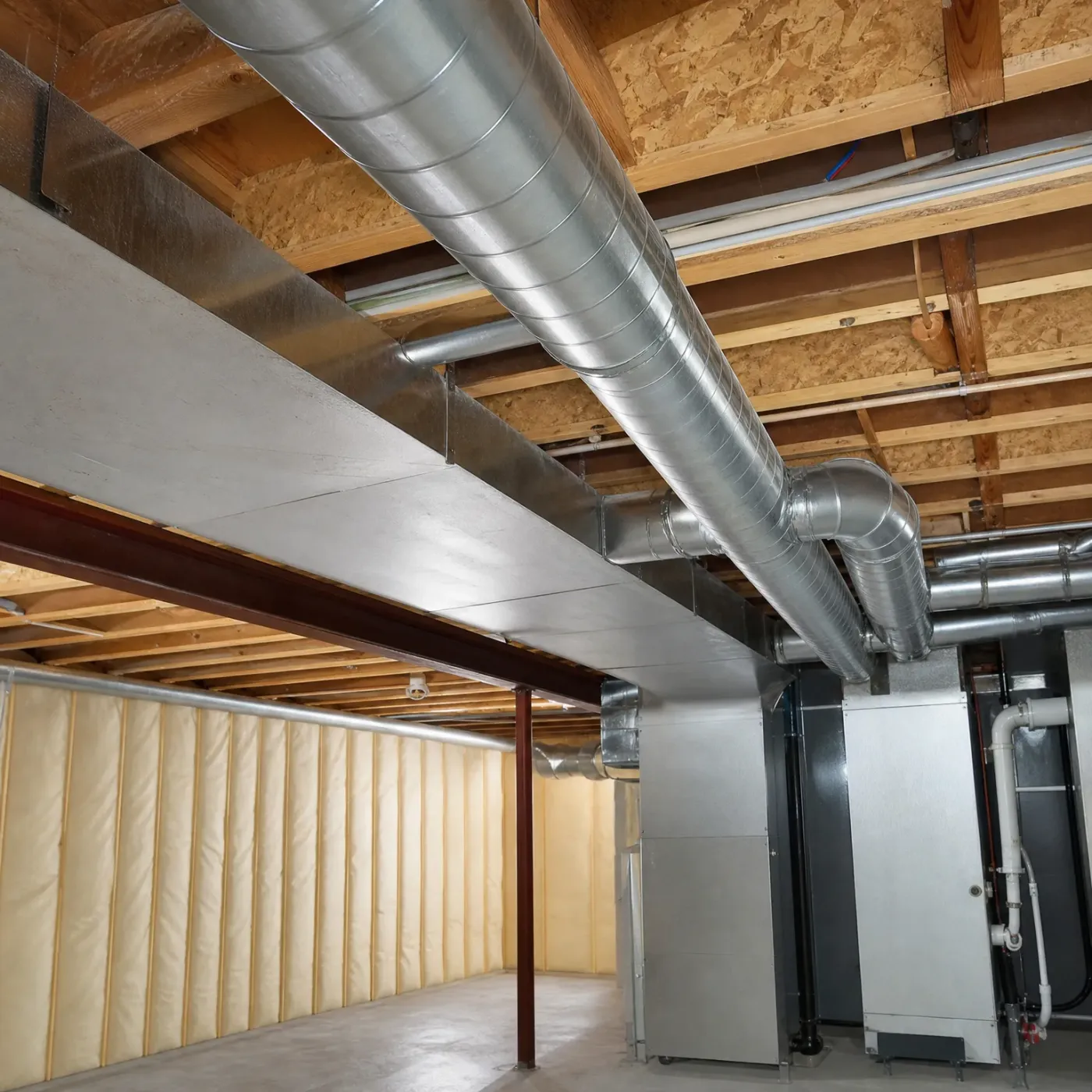
This is what a duct line looks like when it's doing its job. Every joint fits close, every seam holds, and the only air moving through is air that came from your own vents. Nothing extra gets pulled in along the way.
One request and the duct cleaning stops waiting on you.
Hand it overDust builds up fast because your duct system is pulling and pushing the same air through your house all day, and whatever is loose in that air settles everywhere it passes. In Cleveland County, air conditioning runs long and hard through the sticky months, and that means more hours of air moving through ducts, more hours for dust to get stirred up and carried into every room. A dirty filter makes it worse, letting fine particles slide past instead of catching them, and ducts that have never been cleaned hold onto years of buildup that keeps feeding back into the air. If your filter is clean and you're still wiping dust off the shelves every few days, the ducts themselves are usually where it is coming from. Getting them cleaned out addresses the source instead of the surface, since vacuuming and dusting only deal with what has already landed.
Half the homes here were built by 1990
Half the homes in Cleveland County went up by 1990 or earlier. Older ductwork has had more years to gather dust and work it loose into the air your system moves.
Heat runs November through April
Your furnace runs about six months straight, November through April. That's six months of air pushed through the same ducts, picking up whatever's sitting in them.
Cooling runs May through September
Cooling runs May through September here, another five months of the system moving air. Between the two, your ducts are working most of the year.
ACS 2020-2024 · NOAA nClimDiv 1991-2020
Dust keeps settling on the same shelf a day after you wipe it. You run the vacuum more than you used to and the air still feels thick by evening. Nothing gets worse right away. The furnace still fires, the AC still cools, and the house still looks lived-in rather than dirty. But the duct system keeps moving that same loose dust through every room, and the people in the house breathe more of it than they did a year ago. Left alone, this doesn't fix itself. The dust has to come from somewhere, and if it's the ducts, it keeps coming until something changes inside them.
A cleaned duct system stops feeding dust back into the air it moves. You notice it first on the surfaces: the shelf stays clear longer, the vents stop showing that gray buildup at the edges. You stop reaching for the vacuum every other day. Getting there usually means calling around Cleveland County for someone who does duct cleaning, checking who's licensed, explaining the house and the system twice over, then weighing quotes that don't describe the same job the same way. Send the form instead and that work is off your plate. You're not the one tracking down who's available or sorting through estimates that don't line up. Someone qualified gets matched to the house.




A clogged filter does not trap more dust. It just gives the blower a path around it, so air that should get filtered skips through dirty and lands in your rooms. If a return line has a loose seam, it can pull air straight from the attic or crawlspace, fibers and all, before that air ever reaches the filter at all. The same thing happens at torn flex runs or joints that were never sealed tight. Every time the blower kicks on, it also shakes loose whatever has settled inside the ducts since the last cycle, so a system that starts and stops all day is stirring dust back into your rooms on a schedule. Registers hold a thin film of it too, and that film sheds a little more each time air crosses it. A system sized larger than your house needs runs more air through all of this more often, which only means more chances for dust to ride along.


Return vents pull air from every room into the ducts.
The filter catches dust as air passes through it.
Leaky joints let in attic or crawlspace dust along the way.
The blower pushes that same air back out through every supply vent.
Why does my house get dusty again so fast after I clean it?
You can wipe every surface and the dust comes back within a day because cleaning only catches what already settled. Your duct system is still running, pulling room air back through the return vents and pushing it out again through the supply side. If a joint along that path is leaking, or the filter has gone past due, the air going back into your rooms is carrying dust the whole time you're cleaning. Nothing about wiping a shelf changes what's moving through the ducts. The air handler doesn't pause for a cleaning day. It keeps cycling air on the same schedule it always does, so whatever is loose in that air keeps landing right back where you just cleaned it off.


Skip searching for someone who cleans ducts in Cleveland County.
Once you send the form, finding a pro is off your list.
Sending the form costs nothing.
A film on the TV screen by the end of the day. Dust along the baseboards that comes back a few hours after you've run a cloth over them. Vents with gray buildup ringing the edges, and a sock drawer or shelf that feels gritty even though the door stays shut. Someone in the house sneezing more than they used to, or reaching for the inhaler more often. None of this means anything is broken. It means the air moving through your ducts is carrying more than it should, and it's settling in the same places day after day. Left alone, it's more vacuuming, more dusting, and harder breathing for anyone in the house sensitive to it.

This is what a duct line looks like when it's doing its job. Every joint fits close, every seam holds, and the only air moving through is air that came from your own vents. Nothing extra gets pulled in along the way.

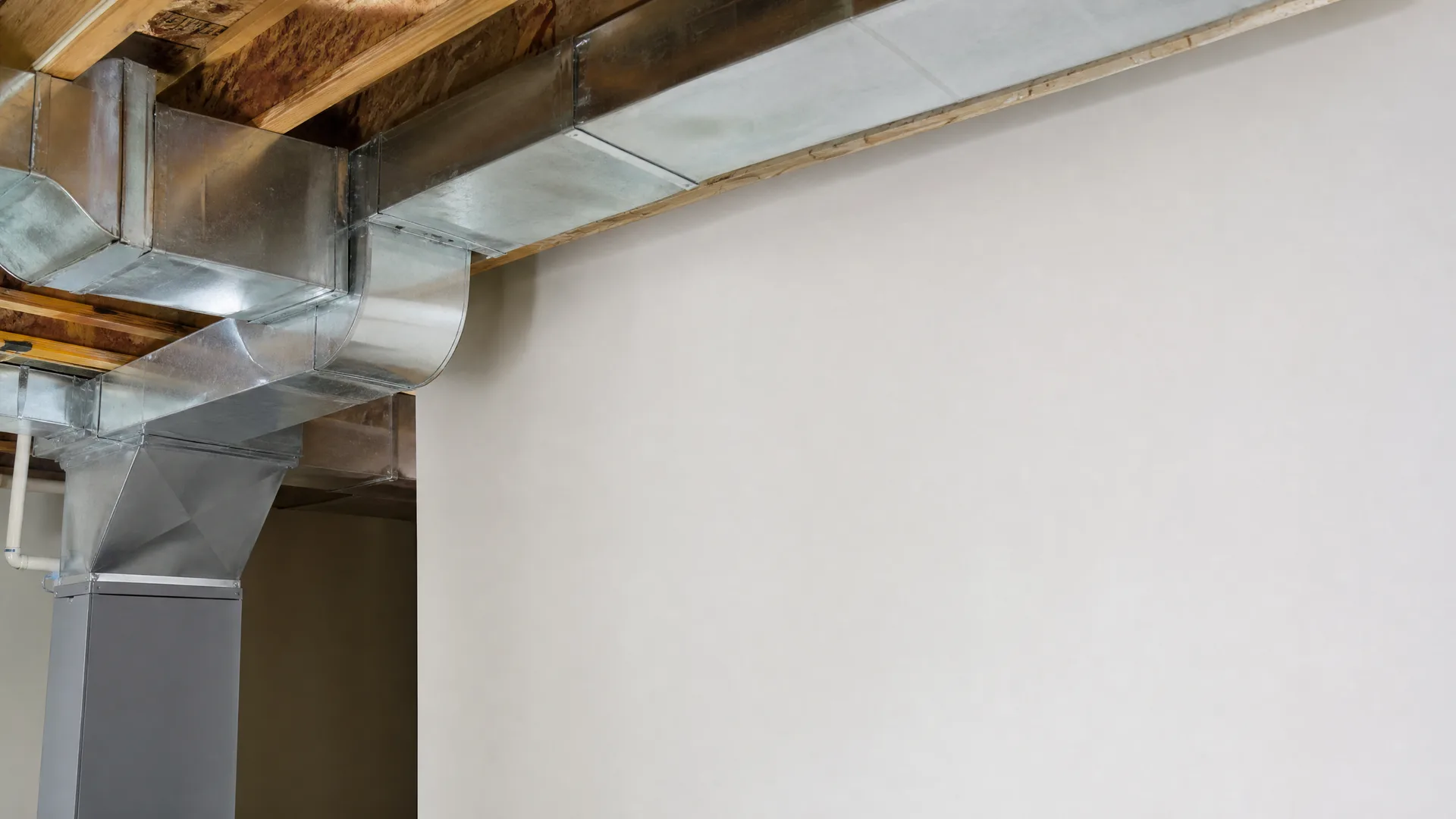
Here the ducts branch off near cast-iron drain pipes and PVC, and a gap at that joint is an open door. Basement air, dust and all, gets pulled in right alongside the air from your rooms and pushed out through every supply vent in the house.


Half the homes in Cleveland County were built by then. Ductwork that old has had decades to collect dust and work it loose into the air moving through your house.
Your furnace and AC together cover roughly half the year here. Every hour either one runs, the blower is moving whatever dust sits in the ducts.
At 12.60 cents a kilowatt-hour, running the blower longer to chase dust doesn't hit your bill hard. That makes a real duct cleaning the easier call: the fan's cheap to run, so the cost that matters is getting someone out to actually clear what's built up inside the lines.
EIA-861 2025
You keep a cloth by the TV because the screen films over every day. You run the vacuum on a schedule now instead of when it looks dirty. The vents have that gray ring around them that you've stopped trying to scrub off. None of this stops your house from working. The furnace fires, the AC cools, and you've just built the wiping and vacuuming into your week like it always belonged there.

A contractor opens the line at the joints and the returns and pulls out what's built up in there, the dust your system has been grinding loose and pushing through every vent for years. Once that's gone, what's left moving through your house is mostly what settles from daily life, not decades of duct buildup riding along with it. You still dust. You just stop finding it back on the same shelf the next morning.

Your system pulls air through every return, pushes it back out through every supply vent, and does that all day for the six months your furnace and AC are running. Whatever is loose in that air, from a gap at a joint or ductwork that's been collecting dust since 1990 or earlier, rides along and settles on your shelves, your screen, your vents. Wiping it away doesn't touch the ducts doing the moving, so it comes back.
That's why cleaning the ducts themselves is the fix, not another pass with the vacuum. Finding someone qualified to do that work right is usually the slow part, calling around, explaining the same thing to each one, trying to tell the real crews from the ones just clearing filters. Send the form and that search is done, and you can get back to the parts of your evening that aren't about dust.

Let someone else find the pro