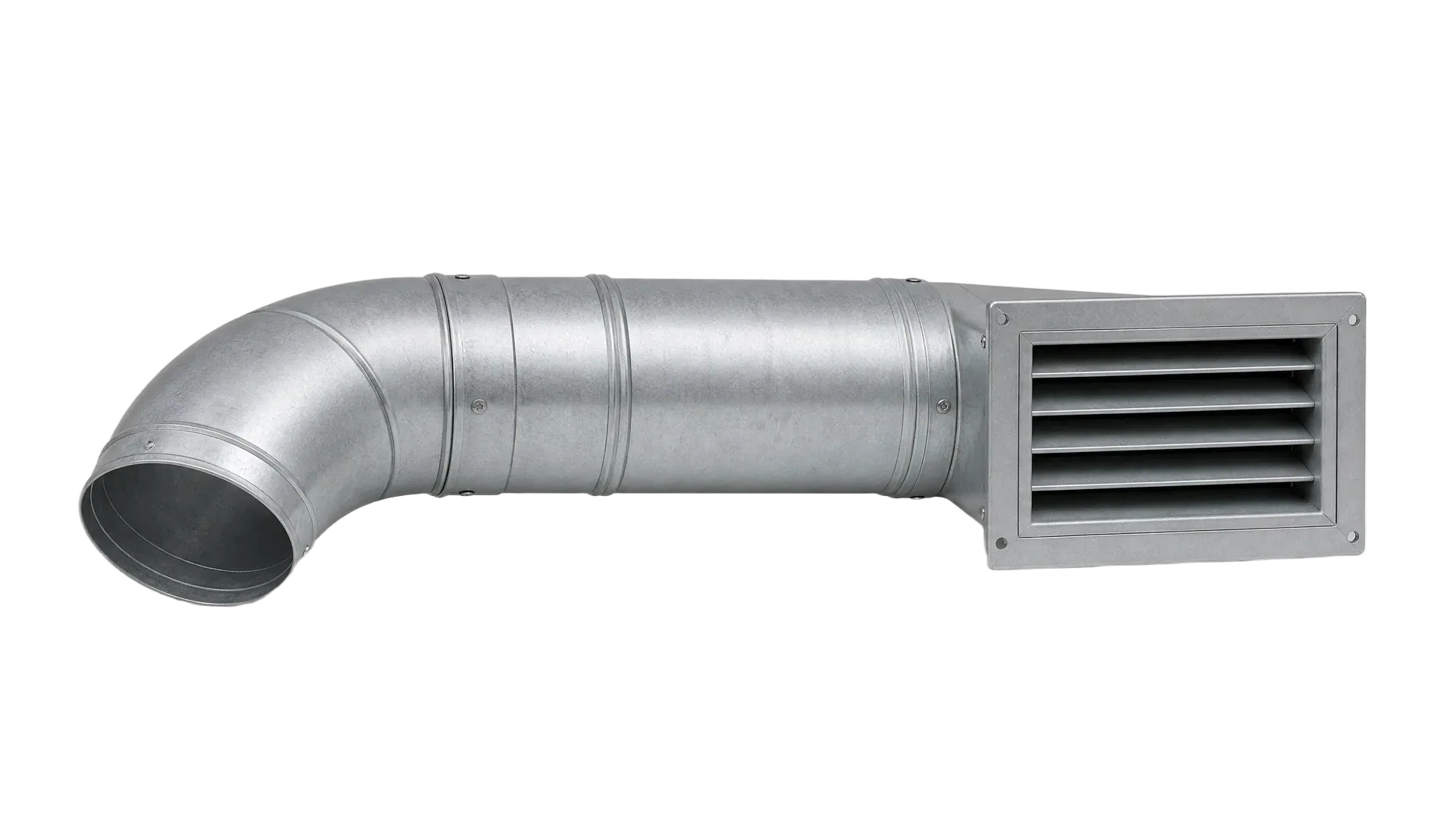
That dust comes back a day after you wipe it down because your duct system is moving it through every room, over and over. In Oklahoma, summers get sticky, and a humid house holds dust in the air longer instead of letting it settle out fast. Leaky ducts pull in attic air, insulation fibers, and whatever is sitting in your crawlspace or attic, then push it out through every vent in the house. A dirty filter or a return leak lets particles bypass the one thing meant to catch them. The buildup inside the ducts themselves becomes its own source, shedding into the air every time the blower kicks on. Gas furnaces here run blowers hard for stretches of the year, and that airflow is what carries the dust from the ducts into your living room. Cleaning the duct system removes what's built up inside it, so the air moving through your house stops carrying it room to room.
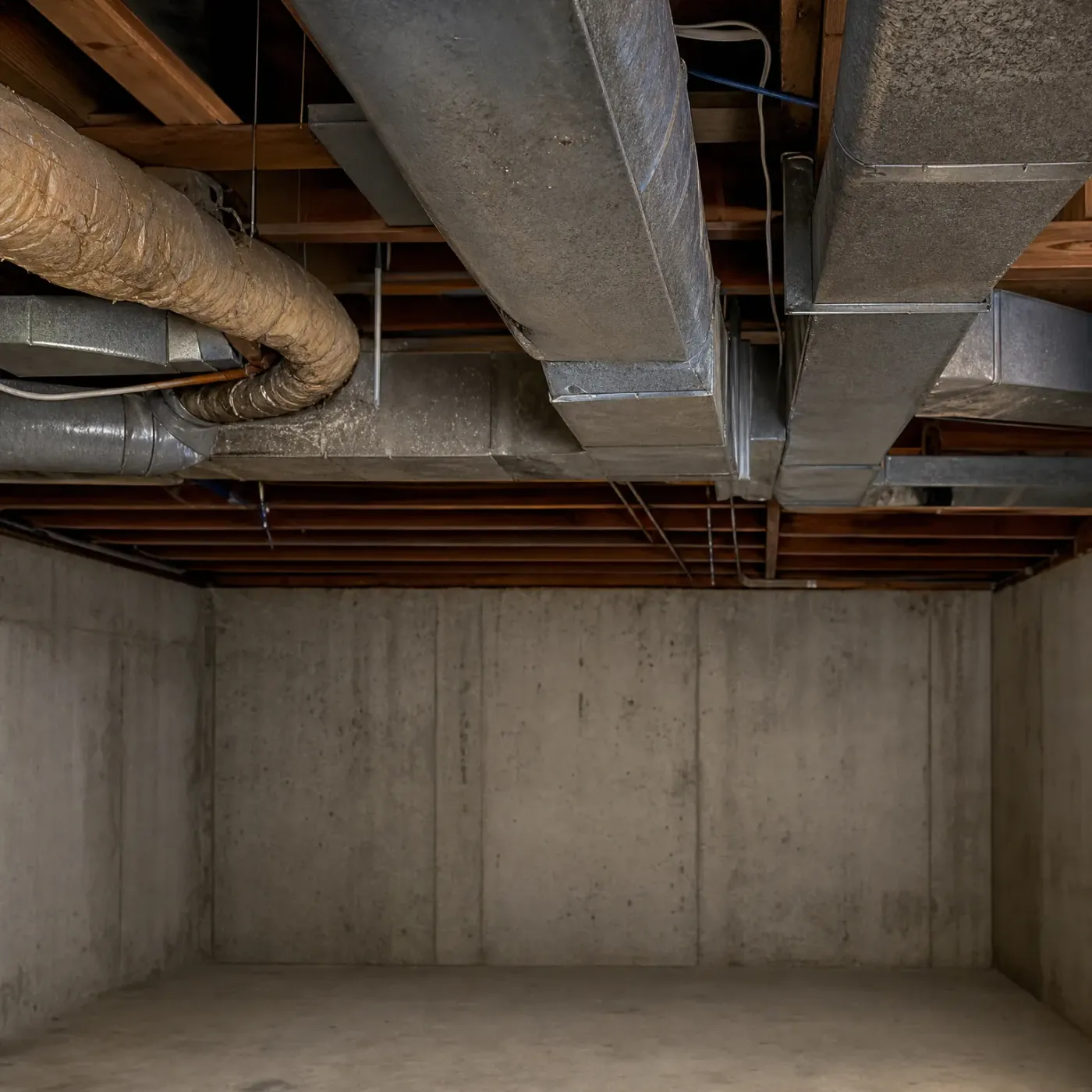
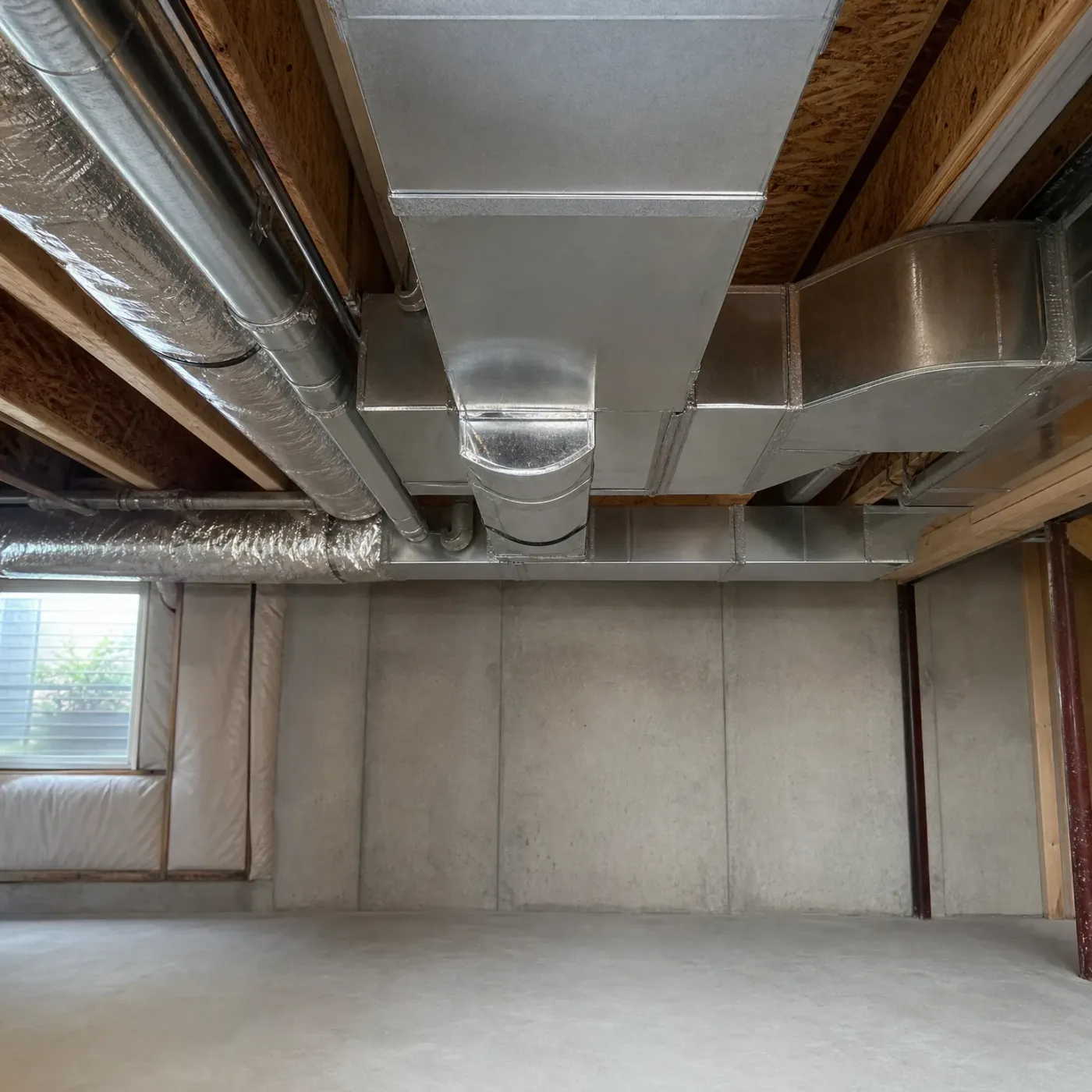
Your duct system is built to pull air from every room back through one filter, which is why dust from a closet you never open ends up in the room where you actually sit in the evening. That filter is only built to catch particles down to around 10 microns, so a lot of what makes a house feel dusty just passes through it and lands on furniture instead. If any of your supply ducts run through the attic and have a leak, they can draw in insulation fibers and attic dust and push that straight into your living space. Your furnace blower does not know the difference between a cold day and a mild one. It runs on the same schedule either way, stirring up whatever has settled inside the duct runs. Over years, that dust builds up in layers on the coil and the duct walls, past where a new filter can ever reach. The metal inside the ducts even holds a static charge, the same way a TV screen does, so it grabs onto fine dust until airflow knocks it loose again.
How Dust Gets Into Your Air
- Return air ducts pull air from every room back to one central filter, so loose dust from a bedroom closet ends up circulating past the filter in the living room too.
- Most residential filters catch particles down to around 10 microns, which means fine dust and skin cells pass straight through and settle on furniture instead.
- Leaky supply ducts running through a hot attic draw in insulation fibers and attic dust, then push that straight into the air you breathe indoors.
- The blower in a gas furnace runs on the same schedule whether it is heating the air or not, so even in mild weather it keeps stirring up whatever has settled inside the ducts.
- Dust that collects on the coil or inside the duct runs builds up in layers over years, and normal filter changes never reach that material.
- A static-charged duct interior actually attracts fine dust the same way a TV screen does, holding onto it until airflow knocks it loose again.




One request and it's handed off

Explain the job once and skip repeating it on every call.
You're not committing to anything by asking.
What the dust is costing you
- Dust settles thicker on shelves and screens in the rooms you use most, since those registers move the most air.
- A gas furnace that runs on and sometimes pushes more dust through the house than the AC does alone.
- Dust on top of lamps and door frames within a day or two usually means the ducts, not the windows, are the source.
- Cheap power here means running the blower longer isn't the fix, since it just moves the same dust around faster.
- Checking vents, filters and duct joints yourself means hours on a ladder with a flashlight and no way to know what you're looking at.
- Calling around for quotes means explaining the same dusty-house story to every company that answers the phone.
Walk through your house and check the surfaces nearest a register first. Those get hit hardest because that's where the moved air lands. If you're wiping the same shelf every other day, that's not bad luck, that's your duct system doing its job wrong. Gas heat makes this worse than people expect. The furnace cycles on, pushes air through the whole run of ductwork, and any dust sitting in that ductwork rides along with it into every room. Run the blower more to try to clear the air and you're just stirring the same dust faster through the same dirty ducts. Power being cheap here doesn't change what's actually wrong, it just makes it cheaper to not fix it. You could find out for yourself. Pull a filter, climb up and check a few joints, look inside a register with a flashlight. That tells you there's dust. It doesn't tell you whether it's coming from a gap in the return, a leak at a joist, or buildup that's been sitting in the trunk line for years. And once you decide to deal with it, there's the part nobody enjoys: calling one company, describing the dusty shelves and the gray film on the lamps, hanging up, and doing it again with the next one. Send the form once and that search is off your plate.
Power costs 13.21 cents per kilowatt-hour statewide
Cheap power means your blower doesn't cost much to run, so it's easy to leave the fan on all day to even out the house. That just moves more dusty air through ducts that are pulling in dust at every loose joint. Running the system harder isn't the fix if the ducts are what's dirty.
EIA-861 2025 statewide residential average

A technician opens each duct run through the existing vents and access points.
A vacuum collects loose dust and debris as it's dislodged.
Brushes or air tools knock dust loose from the duct walls.
The return duct and blower compartment get cleaned last.

Your ducts are the reason the dust keeps coming back
The dust on your shelves this week is the same dust the system already moved past the filter once. A furnace that runs most of the year and a blower that's cheap to leave on will keep circulating what the ductwork hasn't let go of. Cleaning out the duct run and the blower compartment is what actually stops the cycle, not a stronger filter or a longer fan setting.
Finding a contractor who does this work right means checking licenses, reading through reviews, and getting more than one quote before you know who to trust in your house. Send the form once and that search is done. You won't be calling around or explaining the same dusty rooms to three different people. Someone qualified gets in touch, and from there it's their job to sort out, not yours.

Done looking for a duct system pro
Skip searching for a duct system pro and answer a few questions instead.