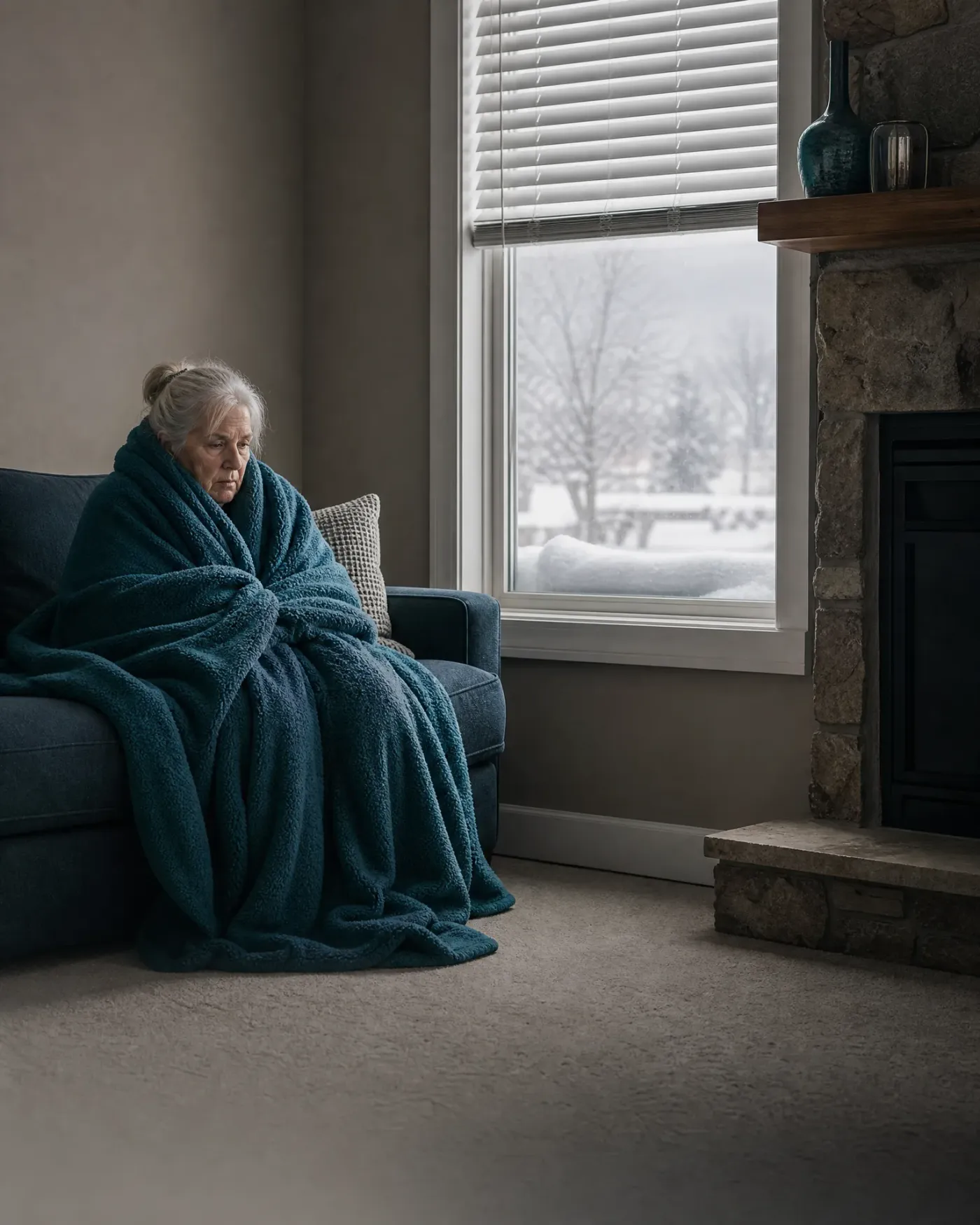

What to do when the heat goes out in Oklahoma

RepairFurnace or heatingOklahoma
Step 1 of 2

What ZIP code is the job in?

My furnace stopped working, what do I do?

You went to turn the heat up and nothing happened, or it's blowing cold air. In Oklahoma that's not something to sit on for long once the cold snaps hit. Before anything else, there are a few things worth checking yourself, since the fix might be simpler than it looks.

Check the thermostat and the breaker before calling anyone

Most gas furnaces that quit have a simple cause. Check that the thermostat is set to heat and the temperature is above room temperature. Check the breaker for the furnace in your panel, since a tripped breaker will shut the whole system down even though the thermostat still lights up. If your furnace has a standing pilot, look for the flame through the viewing window. If the pilot is out or the igniter never clicks, that points to something inside the furnace that needs a licensed hand. Gas furnaces run on electricity too, for the blower and the controls, so a power issue can look like a gas issue. If the simple checks don't bring it back, the furnace needs a repair visit.

A gray high-efficiency furnace in a basement with sheet-metal ductwork, white PVC vent pipes, metal plumbing lines, a condensate pump on the floor, and a window showing green trees outside.

When it's running the way it should

A gas furnace that's working right cycles on, warms the air, and shuts off quiet. No burning smell, no soot near the vent hood, no short cycling. If yours still does this, a yearly check from a contractor keeps it that way through the next cold snap.

An older metal furnace with PVC and metal pipes stands on a concrete basement floor beside galvanized ductwork, with wooden stairs and a water tank in the background.

When something's off

Dust caked on the cabinet, a pilot or igniter that won't catch, a blower that runs but never gets warm. Any of these means something inside has already failed or is close to it. Oklahoma winters don't give a furnace long to sit broken.

Why does my house feel colder than the thermostat says

You've bumped the thermostat up and the air coming out of the vents is lukewarm or cold. Maybe you hear the blower running but no heat follows, or you hear clicking and nothing catches. Some rooms feel colder than others, or the whole house just won't climb past 60 no matter what you set it to. If the furnace keeps shutting off a few minutes after it starts, something is cutting it short on purpose, and that's worth catching early. Left alone through a hard freeze, a furnace that's struggling can quit outright, and in Oklahoma that can mean frozen pipes and a house that's genuinely unsafe to be in until it's fixed.

  1. The thermostat calls for heat and signals the control board.

  2. The inducer motor starts and clears the heat exchanger of old gas.

  3. The igniter heats up or the pilot lights the burners.

  4. Gas flows to the burners and the flame sensor confirms it caught.

Call now or wait it out

Call someone now

  • A contractor can diagnose the actual part at fault instead of you guessing at it over the phone.
  • If the heat exchanger is cracked, that's a safety issue, and only someone on site can check it.
  • Parts like an igniter or flame sensor are specific to your furnace, and a contractor carries the tools to test them.
  • You skip calling around and explaining the same problem to three different companies.
  • Getting it looked at before a hard freeze means you're not stuck if the fix takes a part on order.

Wait and watch

  • If the furnace is still lighting and running, if just a little rough, it may hold until a scheduled visit.
  • Short cycling or a burning smell is worse than a furnace that simply runs cold, so judge by what you're seeing.
  • Oklahoma winters can turn fast, and a furnace that's already struggling may not give you much warning before it quits outright.
  • Waiting costs you nothing if the issue is minor, but there's no way to know that without someone checking it.
  • A furnace that won't stay lit at all isn't one to leave for later, no matter how mild it's been.
A smiling man in a gray long-sleeved shirt stands in a kitchen looking to the side, with open shelves of dishes, a white mug on the counter, a potted plant, and a view through a doorway into a living room.
A smiling bearded man in a green sweater sits at a white marble kitchen island with a mug, potted plant and bowl of fruit, in a bright white interior with open shelving and an arched doorway.
A smiling man with dark curly hair and a beard, wearing a dark green knit sweater, stands at a white marble kitchen counter with a dark blue mug, with open shelving, pendant lights and a houseplant behind him.
A smiling man in a green ribbed sweater stands behind a wooden table holding a ceramic mug of coffee in a kitchen with white subway tile, shelves of potted plants, and a bowl of fruit.

Winter nights average 30°F statewide

Statewide, winter nights average 30°F from December through February. That's below freezing most nights, which means your furnace isn't cycling on and off a little, it's running long stretches to keep up. When a part starts failing, you'll feel it fast.

NOAA nClimDiv 1991-2020 county normals weighted by homes

A smiling man with dark curly hair in a navy t-shirt sits on a gray couch indoors, with a large-leafed plant and a window in the background.
A bearded man in a plaid flannel shirt stands in a kitchen looking out a window toward snow-covered shrubs, with a steaming mug on the windowsill and potted plants on a shelf behind him.

It's off your list after this

A furnace that quits in an Oklahoma winter doesn't leave much room to wait it out. With nights averaging 30°F from December through February, a house loses heat fast once the system stops, and a part that's failing tends to fail the rest of the way within a day or two. Most homes here run on gas, which means the fix usually isn't something to put off looking into. Finding someone yourself means searching, calling a few numbers, explaining the same problem each time, then weighing quotes against each other while the house keeps cooling. Send the request instead and that work is off your plate. You're not left checking reviews or waiting on callbacks that don't come. One contractor gets your situation, and what's left for you is just getting warm again.

Why the furnace won't catch

  • A dirty flame sensor is the most common reason a furnace lights, runs for a few seconds, then shuts itself off.
  • The flame sensor's job is to prove a flame is burning so the control board doesn't keep feeding gas with nothing lit.
  • A coating of soot or carbon on the sensor rod is enough to make it read no flame even when one is there.
  • The igniter is a different part and fails a different way, it either glows weak or stops glowing at all.
  • A furnace that clicks several times but never catches is usually the igniter, not the gas supply or the thermostat.
  • The inducer motor runs before any of this starts, and if it doesn't spin up first, the burners never get a chance to light.

Gas furnaces light in a set order, and most "won't start" calls trace back to one of two parts failing somewhere in that order. The inducer motor kicks on first to clear the heat exchanger. Once it's spinning fast enough, the igniter gets power and starts glowing hot enough to catch the gas. If the igniter is weak or dead, you get clicking or humming with no flame at all, over and over, because the furnace keeps trying and nothing lights. If the igniter is fine, the burners light, and that's when the flame sensor takes over. It's a thin metal rod sitting right in the flame, and its only job is to tell the control board a fire is actually burning. Soot builds up on that rod over time, the same way it builds up anywhere a flame burns for years, and once there's enough of it, the rod can't read the flame anymore. The board sees no signal, assumes nothing's lit, and shuts the gas off rather than let it keep flowing. That's why a furnace that fires, runs a few seconds, then quits is almost always the sensor, not the igniter and not the gas line. Two different parts, two different failures, and the symptoms tell you which one you're looking at before anyone opens the panel.

A gray metal furnace with louvered vent panels stands on a concrete basement floor beside galvanized ductwork, gas and plastic pipes, and foil-faced insulation along the ceiling and wall.
Before you get your furnace repair
A basement utility area with a gray furnace, sheet-metal ductwork, pipes, plastic-covered walls, a concrete floor, and a black shelving unit holding storage bins.
After you get your furnace repair

A furnace that won't light or won't stay lit means cold air moving through the house while the temperature outside sits near freezing most nights. The checks worth trying are quick: thermostat settings, the breaker, the gas valve. Past that, it's a part that needs a trained eye, whether that's a flame sensor, an igniter, or something tied to the heat exchanger. Instead of searching through contractors, calling a few, explaining the same problem over and over, and sitting with quotes trying to figure out who's worth trusting, sending the form hands that off. You stop being the one chasing down help. The furnace still needs a contractor's hands on it, and that part takes the time it takes, but finding someone who can do the work is no longer something you have to carry on your own.

A dark wood cabinet with a paneled door and a ceramic pot of green foliage on top stands in a beige-walled room with white baseboard, a window at left, hardwood floor, and a patterned area rug.
A dark wood glass-front cabinet holding folded towels, woven baskets and a ceramic vase stands in a bathroom corner beside a window, with a potted fern and stacked towels on top and a freestanding tub partly visible at left.
A woven basket holding a green cushion and a cream fringed knit throw sits on a wood floor in a room corner beside a window and a dark wooden cabinet.
Corner of a room with a dark wood cabinet topped by a round vase, a linen curtain at a window, white baseboard, oak plank flooring with sunlight patches, and a woven jute rug in the foreground.
A dark wood sideboard against a pale wall holds a shallow stone bowl and a round ceramic vase with leafy branches, with sunlight from a curtained window falling across the wall, wood floor and woven rug.

Hand off the search today

Explain the job once and skip repeating it on every call.

Fill out one form

You only hire the pro if you want to.












