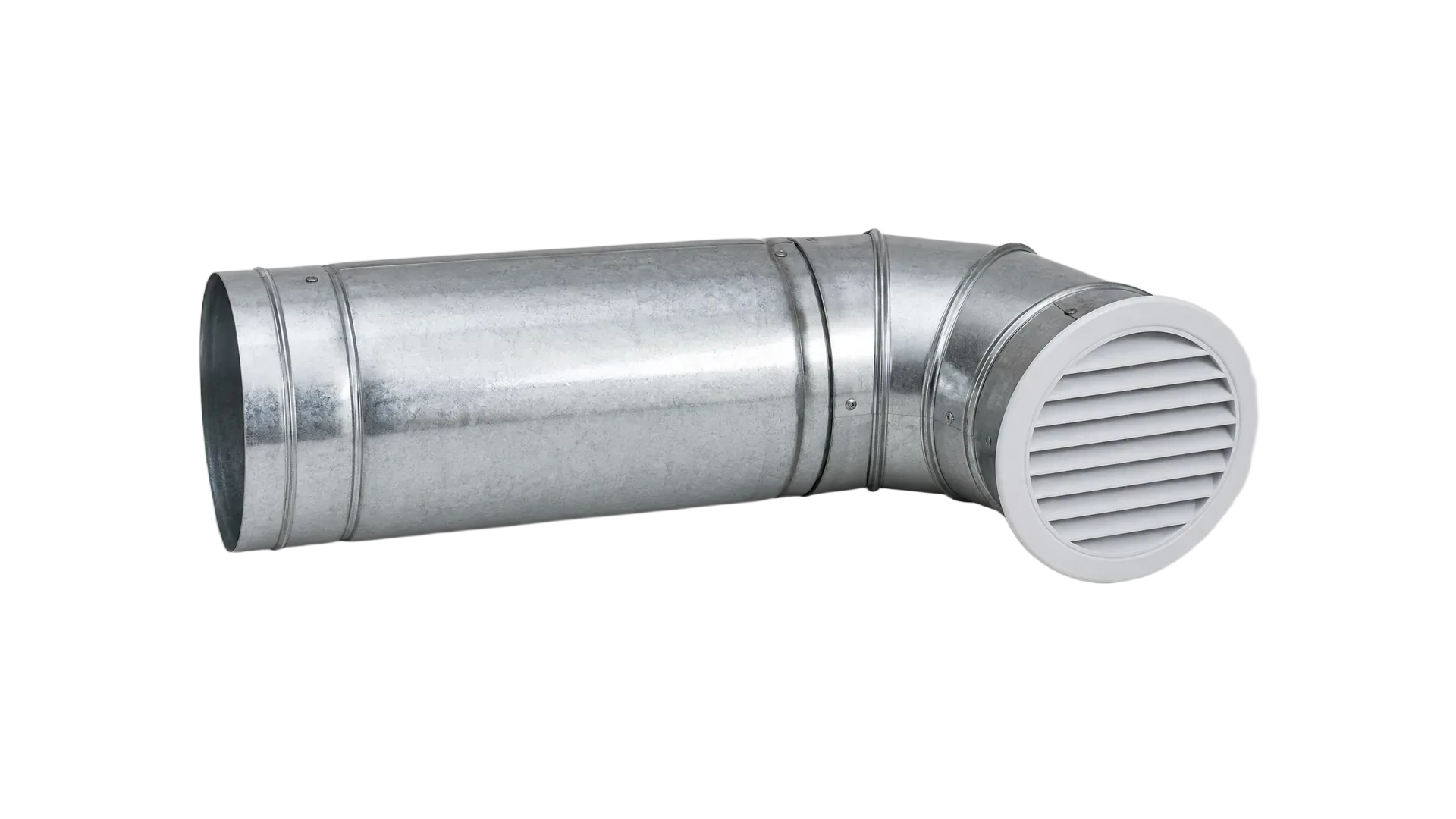
Ductwork Holding Up
Sealed joints keep the air your furnace or AC pushes out moving straight to the vent instead of spilling into the joists above it. Rooms get even air, and the thermostat setting matches what you actually feel.
You've noticed a room or two that never feels quite right, or a utility bill that seems high for what your thermostat is set to. Before you start checking vents and registers, it helps to know what duct leaks actually look and feel like inside a house, so you can tell whether that's what's going on in yours or something else entirely.
Leaky ducts show up as rooms that never match the thermostat, usually ones farthest from the furnace or at the end of a duct run. Your energy bill climbs because conditioned air is escaping into the attic or crawlspace instead of reaching the room. You might also notice more dust than usual, since leaky return ducts pull in air from those same unconditioned spaces and carry it through the house. With summers here running long and muggy and winters turning cold, a leak means the system works harder in both seasons to make up for air that never makes it where it's supposed to go.
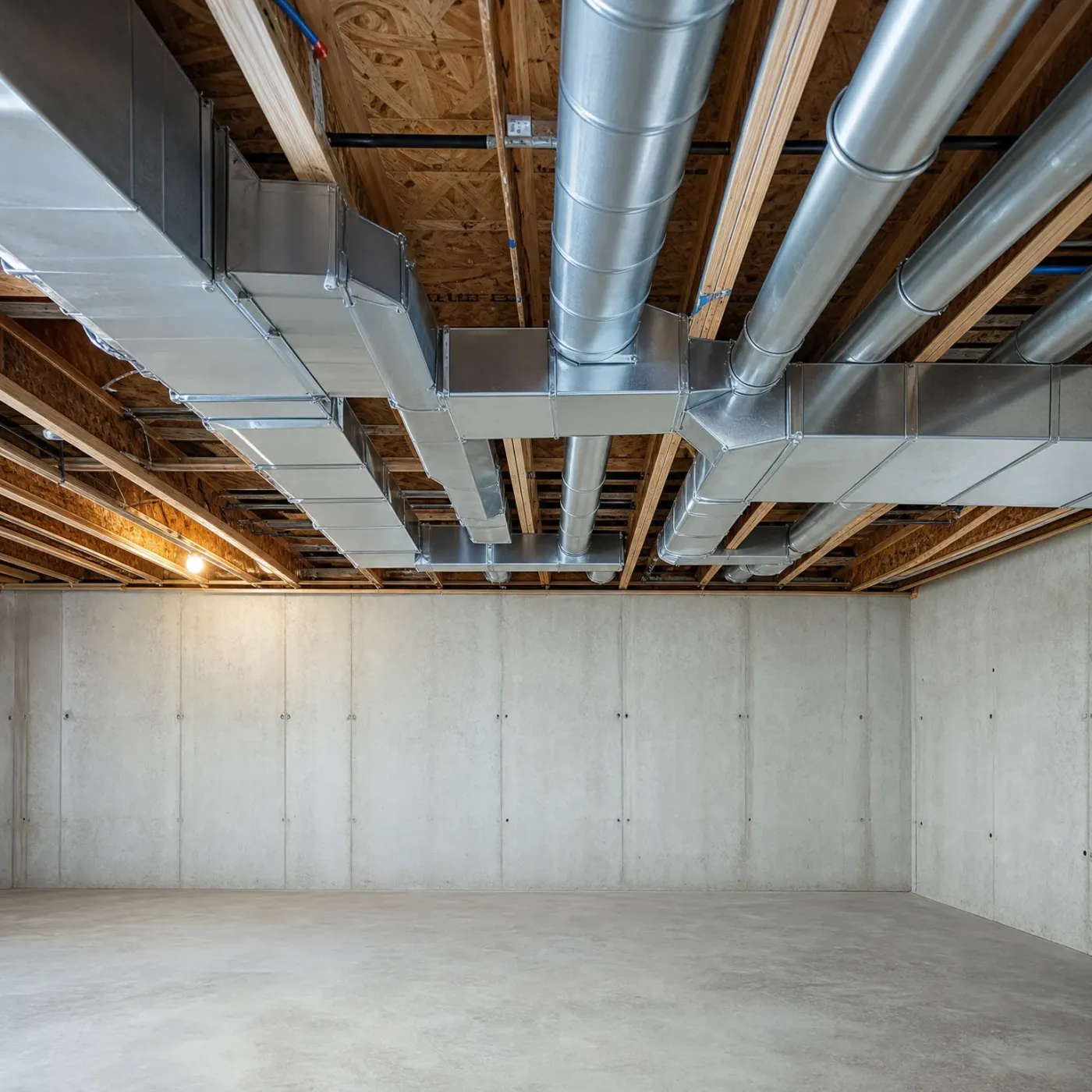
Sealed joints keep the air your furnace or AC pushes out moving straight to the vent instead of spilling into the joists above it. Rooms get even air, and the thermostat setting matches what you actually feel.
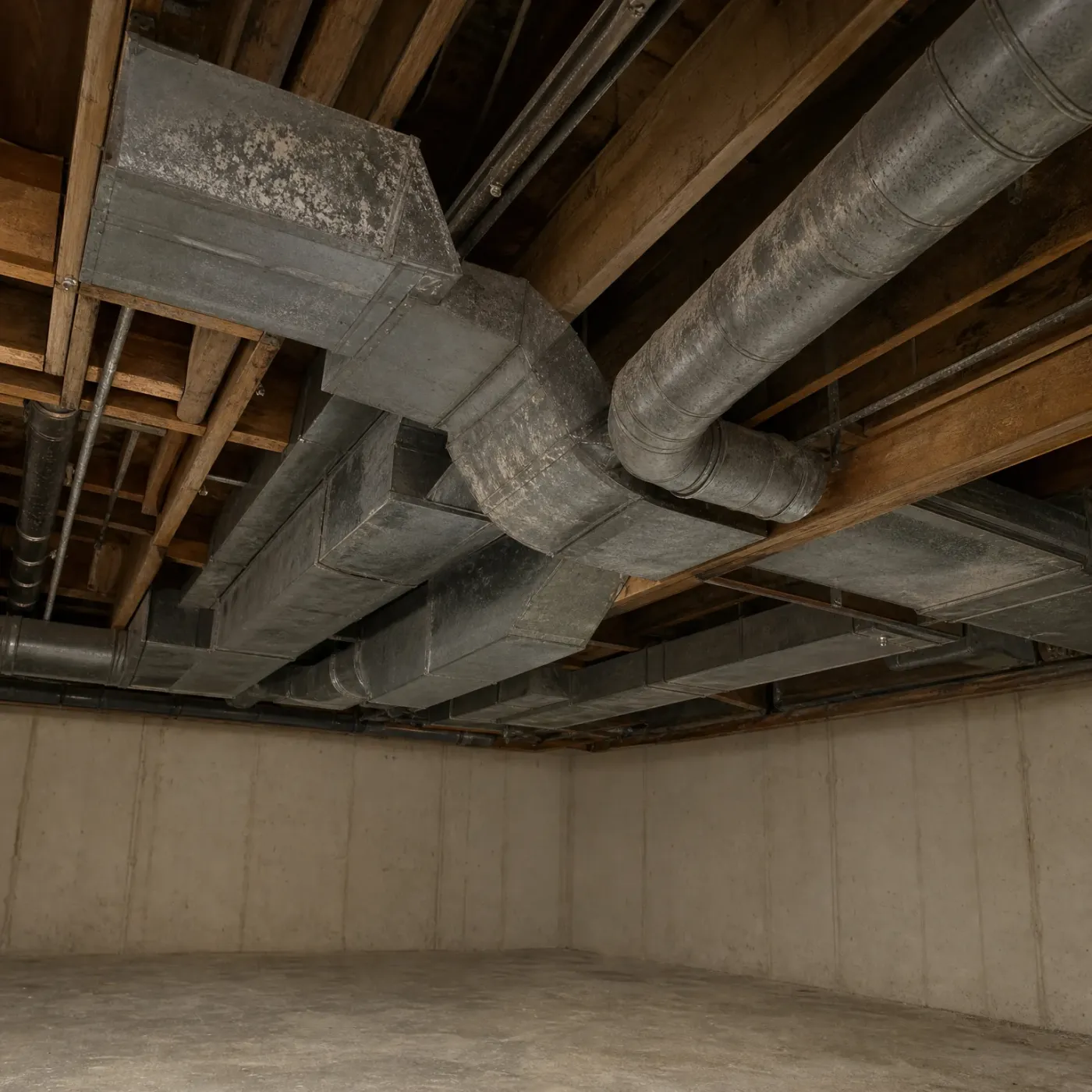
Seams that have pulled apart or metal that's rusted through let heated or cooled air escape into the basement before it reaches a vent. The rooms farthest from the furnace end up too warm in summer or too cold in winter, and the system runs longer to make up for it.
Half the homes here were built by 1978
Half the homes in Oklahoma County were built in 1978 or earlier, so if yours is one of them, the ductwork has had decades to work loose at the joints.
Heat runs October through April
Heat runs about seven months a year here, October through April, so air leaking out of the ducts before it reaches a vent adds up fast.
Cooling runs May through September
Cooling runs May through September, so a leaky duct run in a hot attic is pushing cooled air out into that heat for five months straight.
ACS 2020-2024 · NOAA nClimDiv 1991-2020




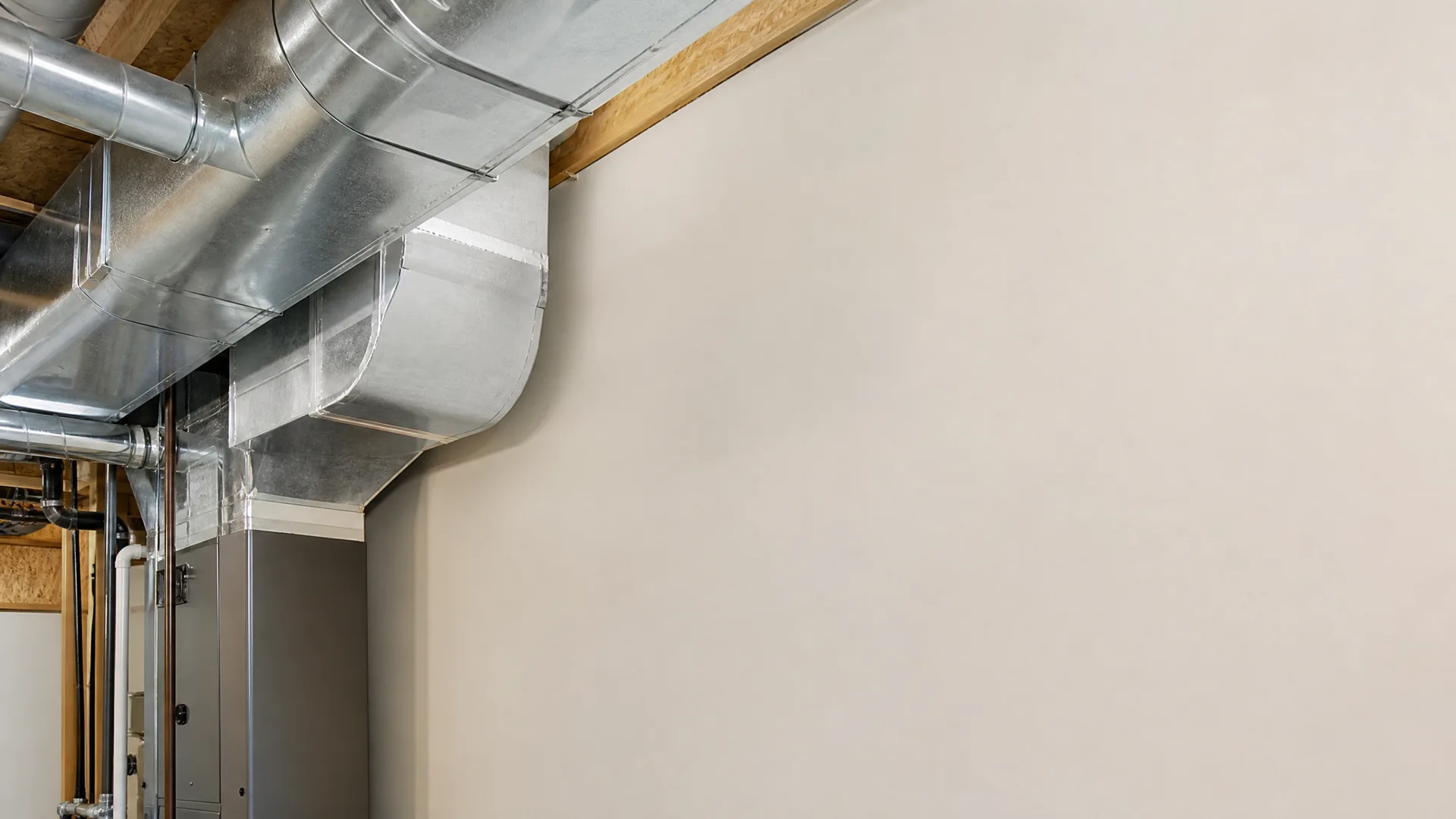
A duct is a sealed metal or board channel. When a joint opens up, conditioned air takes the easier path out through the gap instead of continuing to the vent. In an attic or crawlspace run, that air just goes into the insulation around it. The room at the end of that branch gets whatever is left, which is why one bedroom can lag the rest of the house by several degrees even with the thermostat holding steady.
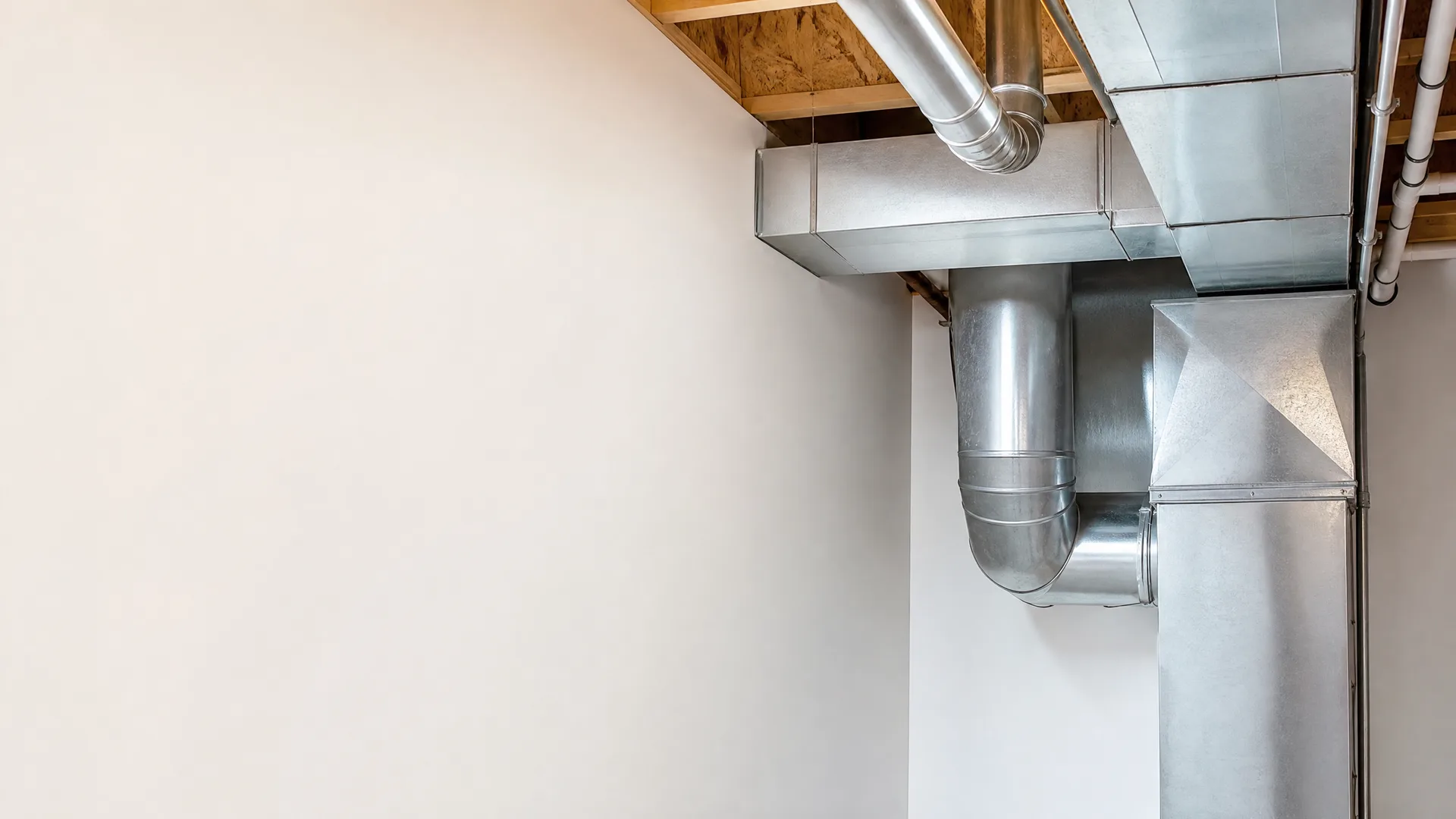
The duct material itself rarely fails. The joints do, where one section was taped or screwed to the next. Mastic dries out, tape loses its grip, and a screw can back out as metal expands and contracts with the seasons. Flex duct connections and the boots where a duct meets a floor or ceiling register are common spots too, since those are handled the most during any work done on the system.
Power here runs 12.35 cents a kilowatt-hour, which is cheap next to a lot of the country. That's exactly why a duct leak is easy to miss on your bill. The waste is real, it's just priced low enough that it doesn't jump out at you until a room stops feeling right.
EIA-861 2025
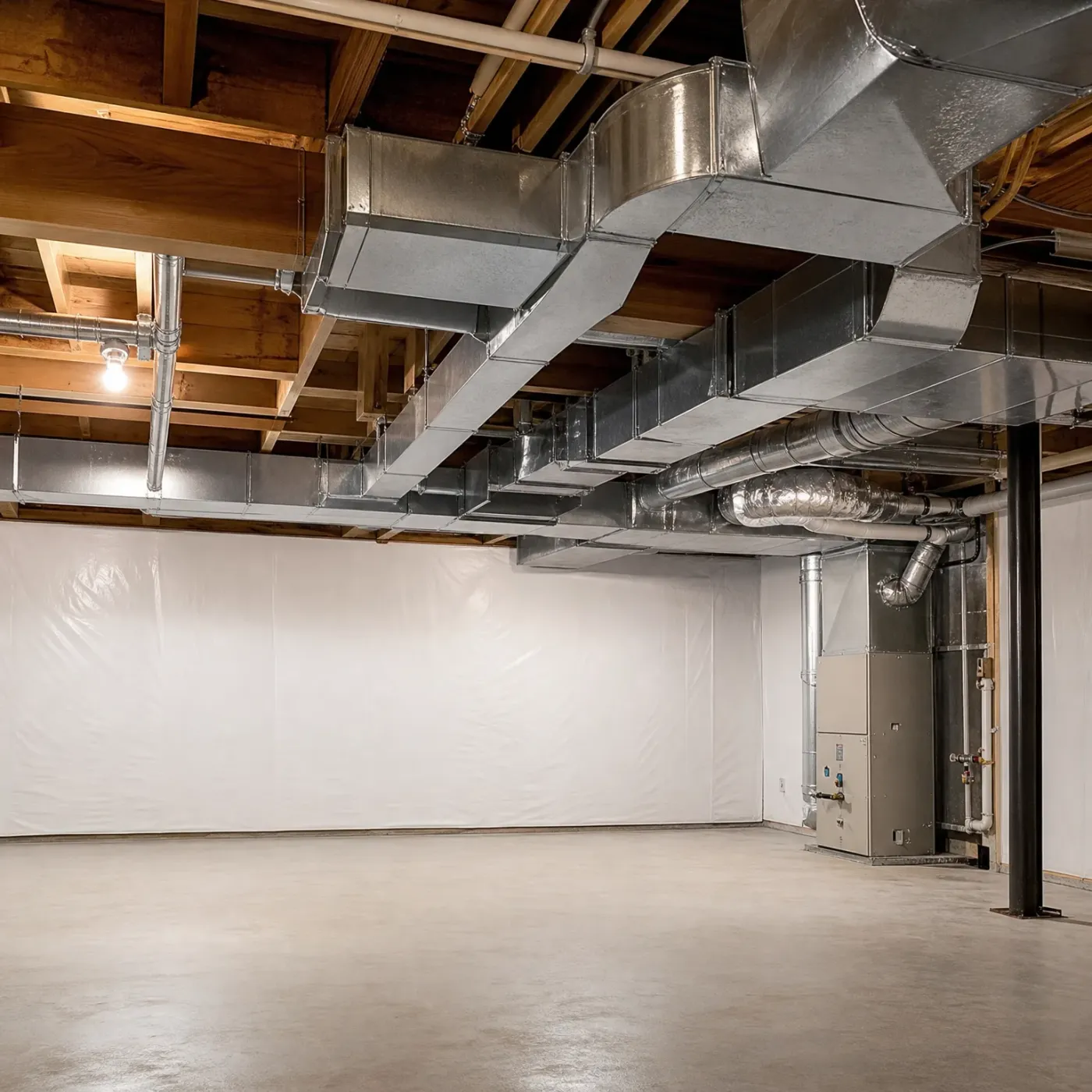
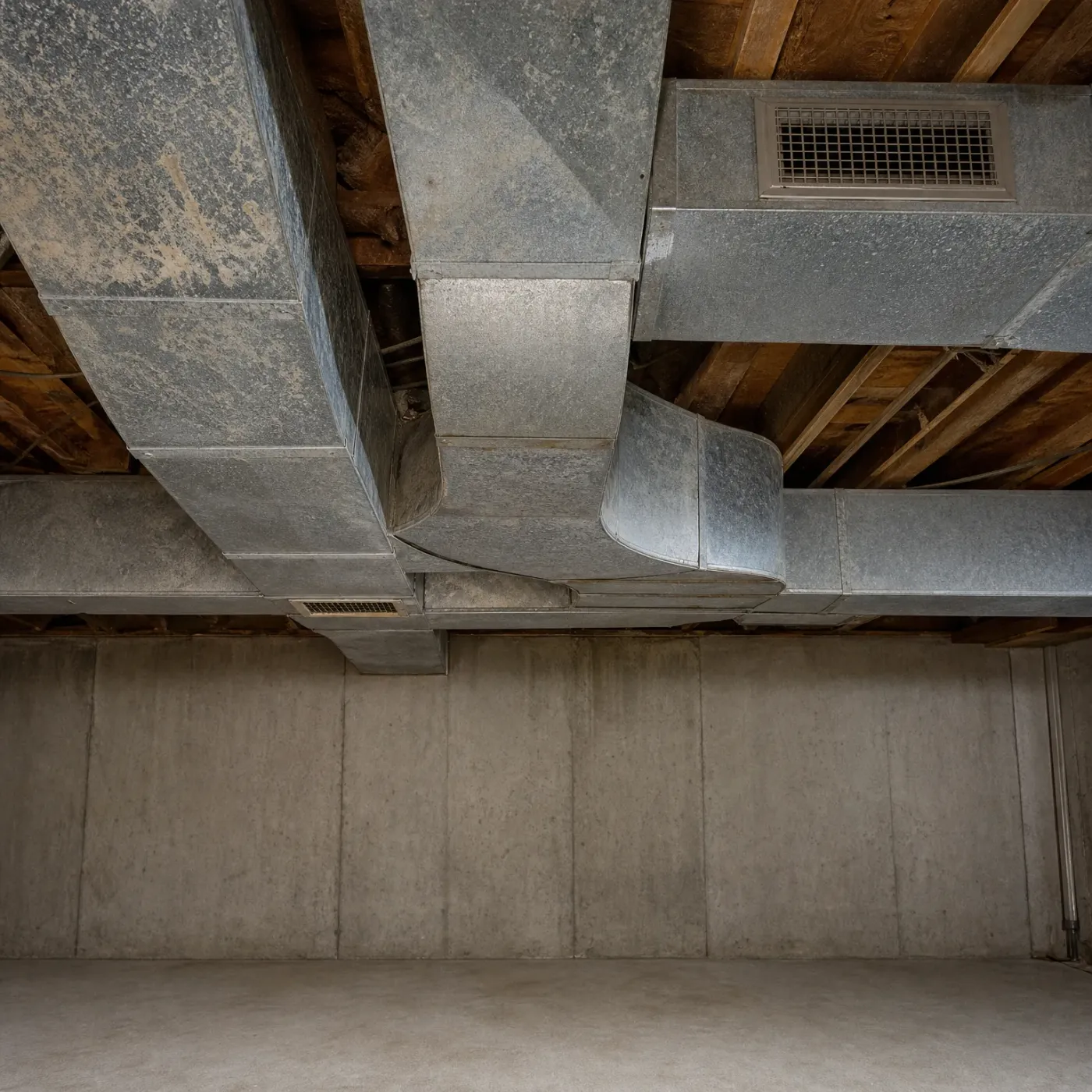
Walk your house room to room with your hand near each vent. A leaky run usually shows up as one or two rooms that lag behind the rest, a bedroom at the end of the house that stays warm in January or stuffy in July no matter where the thermostat is set. You might feel warm air along a hallway ceiling or a cold floor over a crawlspace run. Check your attic access and you may see dust streaked across the insulation near a duct joint, a sign air has been pushing through there for a while. Left alone, the furnace and AC run longer to make up the difference, and a crawlspace or attic that stays damp from that leaking air can start to affect the wood and insulation around it.


You can seal ducts yourself with mastic at the joints you can reach, but most of a duct run sits inside a wall, under the floor, or up in the attic where you can't see it, let alone get a brush or sealant to it. Finding that out means someone crawling the attic or crawlspace with a hand on the line, feeling for air moving where it shouldn't. That's a different job than the duct cleaning search results tend to bring up, and not every contractor who clears dust out of a trunk line also tests and seals the ducts themselves. Someone who works on ductwork in Oklahoma County homes every season has seen where the joints on a house built in the 1960s or 70s tend to give out first, and knows it from the first look instead of guessing room by room. That's the difference between chasing the stuffy bedroom for another winter and getting someone out who already knows where to look.
Finding a leak isn't guesswork. A contractor starts by checking static pressure, which tells them how hard the blower is straining to move air through your trunk line and branches. If that number is high, the problem might not be a leak at all, it could be a flex run that's collapsed or a branch that's blocked somewhere past the plenum. Once leakage is suspected, the real test is a duct blaster. It seals off every register and return in the house, then pressurizes the whole system so the contractor can measure how much air is actually escaping before any work starts. That gives a real figure, usually a percentage of total airflow lost, instead of a guess based on a warm bedroom or a high bill. From there, a smoke pencil finds the exact spot. Held near a seam or a joint, the thin stream either gets pulled sideways or disappears into the gap, showing exactly where air is leaving the system. Return leaks get checked separately, since a gap on the return side pulls attic or crawlspace air into the furnace itself, which means the system is heating or cooling air that was never supposed to be inside your house in the first place. Testing in this order, pressure first, then leakage rate, then the exact point, is how a contractor knows what they're dealing with before opening a single seam.
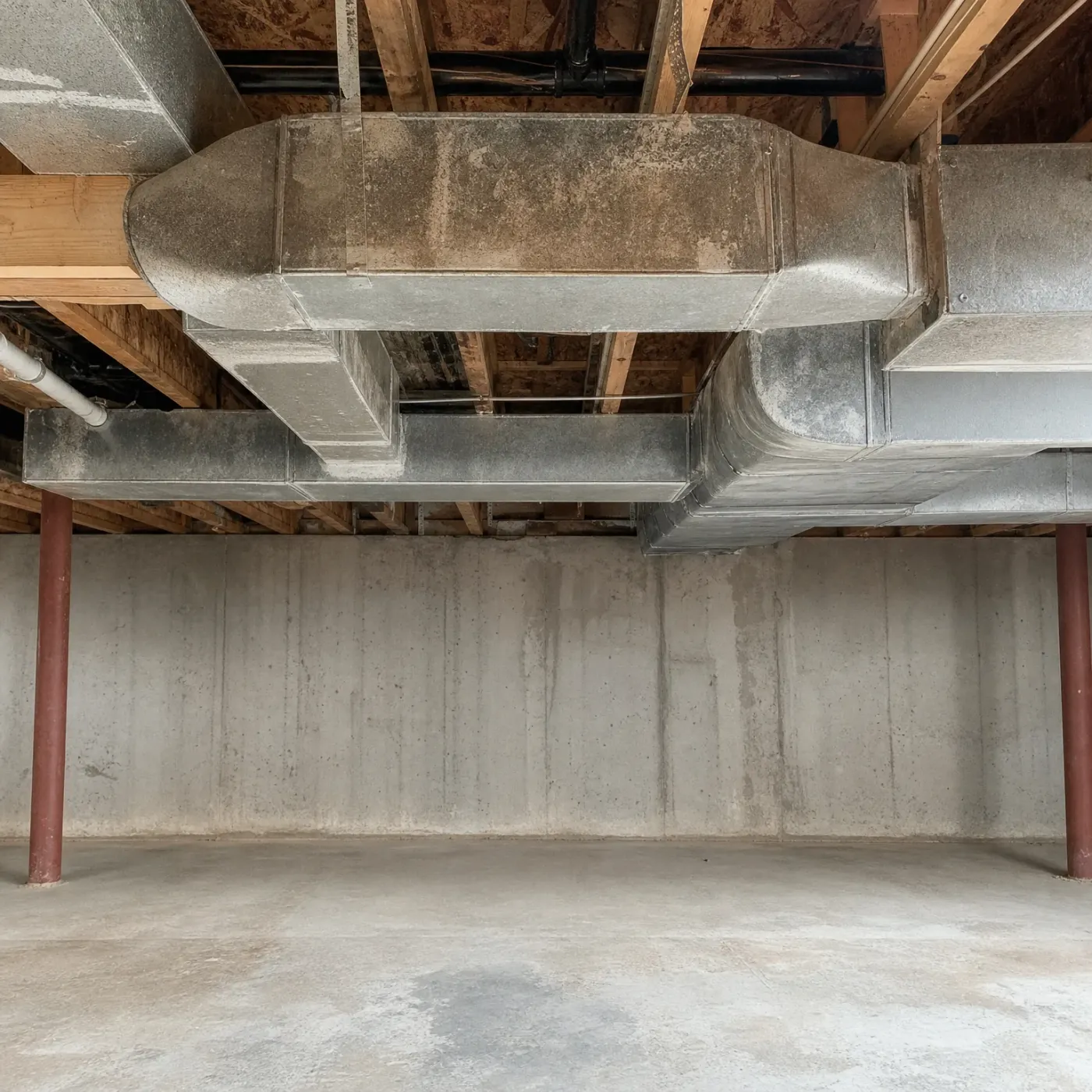
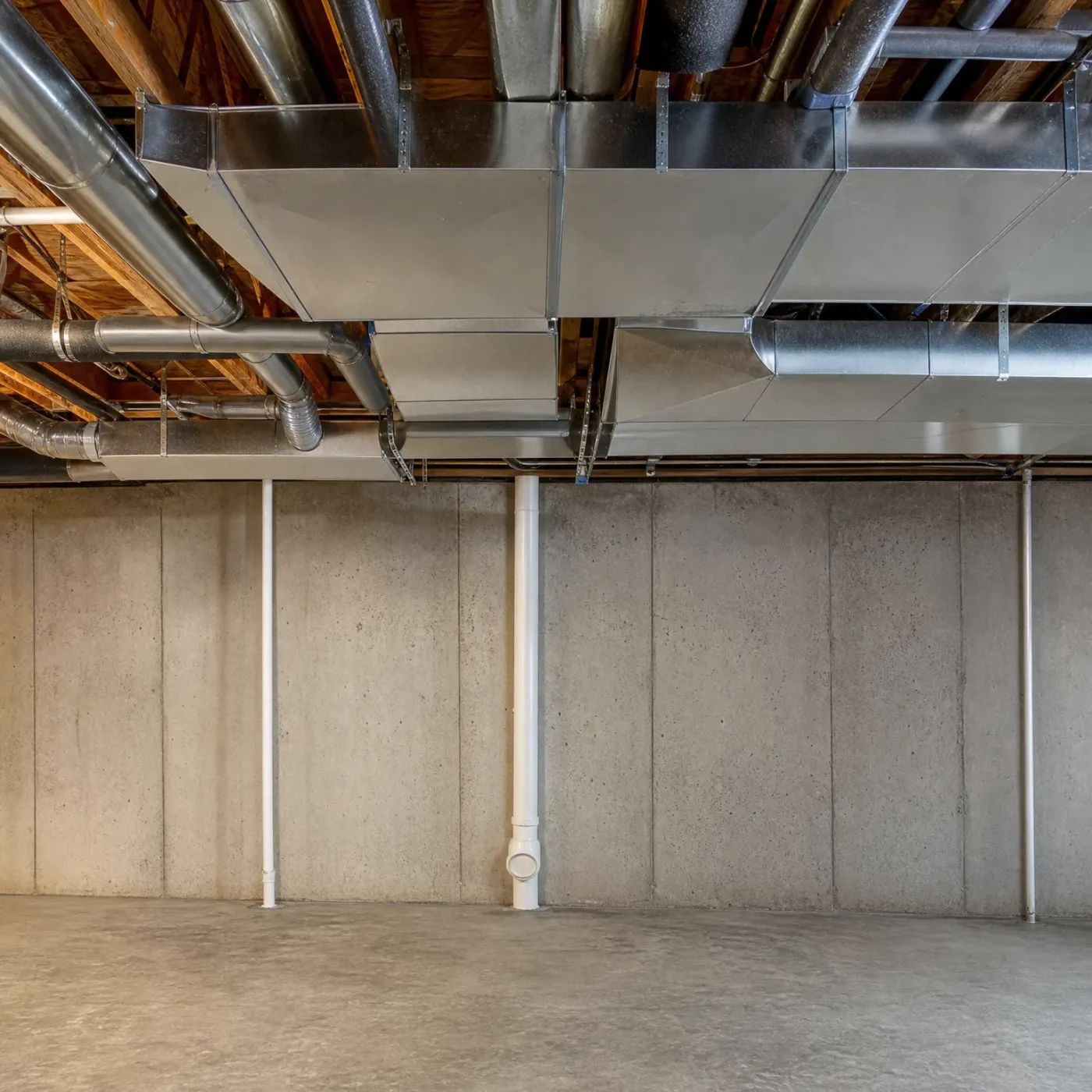
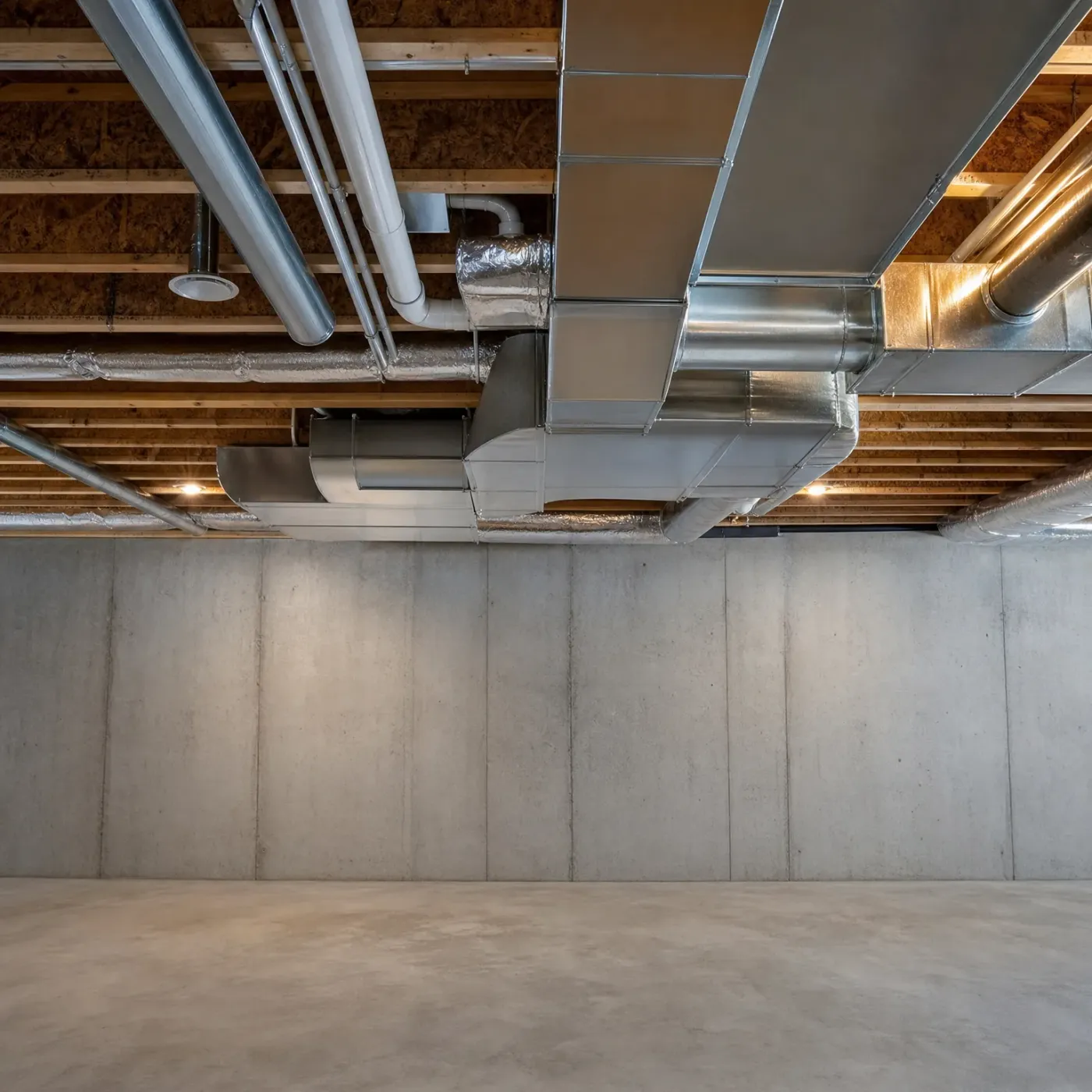
This is what a run looks like when every joint still holds. Metal trunk and branch lines sit tight against each other, so the air your furnace pushes through makes it all the way to the register. Nothing escapes into the joists above, and the basement stays dry.
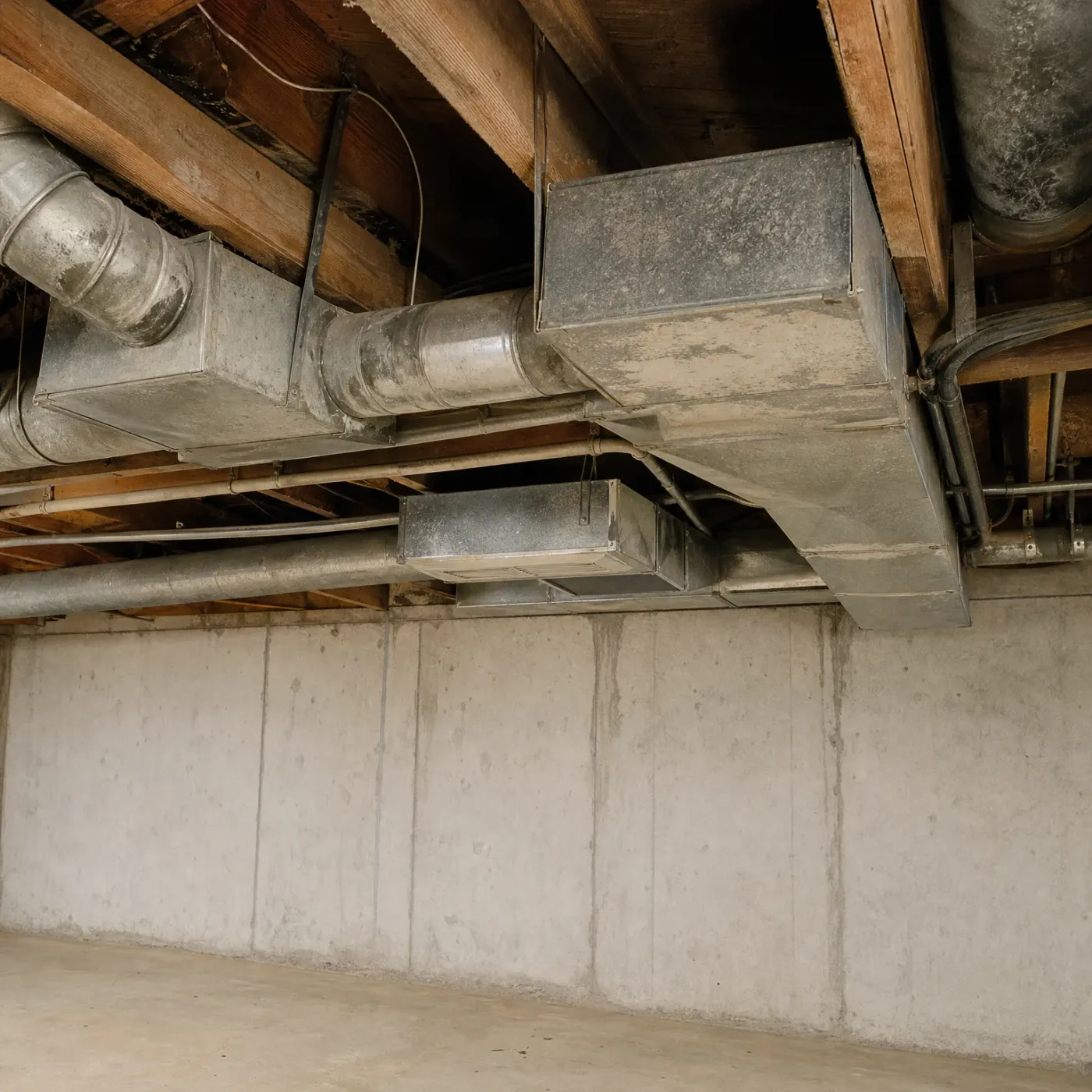
Here a seam between two sections has opened up, and conditioned air is finding its way out into the basement instead of reaching the room it was headed for. The furnace keeps running to make up for it, and the room on the other end of that branch stays harder to heat or cool than the rest of the house.
The signs are the ones already in front of you: a room that stays warm in July or cold in January no matter where the thermostat is set, a bill that climbs past what the weather explains, ductwork you can see sagging or pulled apart at a joint. None of that tells you how much air is getting out or which run it's coming from, and most of a duct system runs where you can't reach it anyway. A contractor working in Oklahoma County sees this kind of system every week, in houses built the same decades as yours, and knows which joints tend to open first and where a static pressure test or a duct blaster needs to go to find the rest. You get matched with one local contractor for this, not a handful of companies calling you back at once, so you explain your house once and the next call you get is about scheduling the work, not pitching for it.
Describe it once