Ducts moving clean air
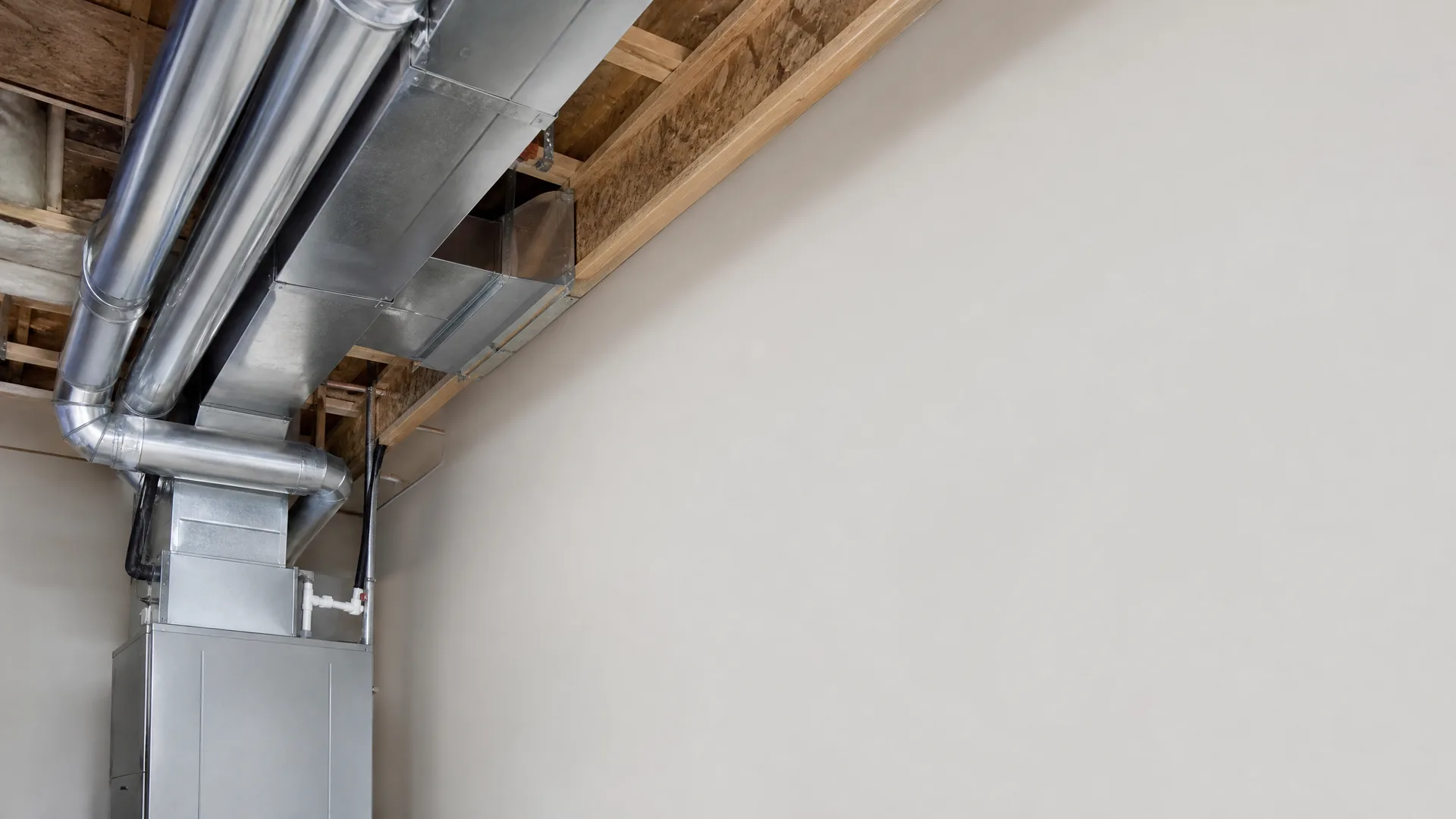
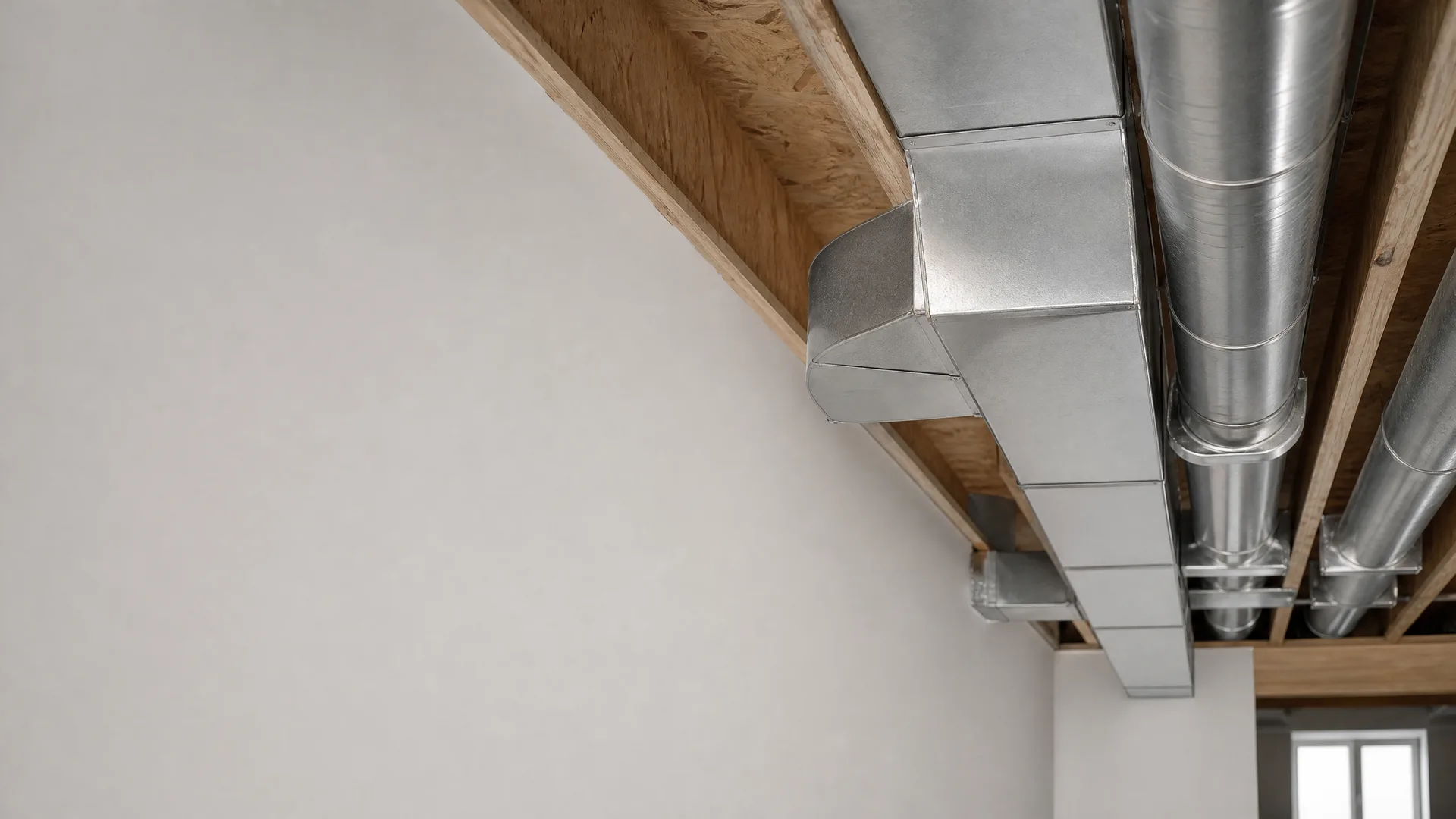
Metal trunk lines and flex ducts carry air to every room without adding to what's already in it. Dust settles where it lands and stays there instead of getting pulled back through the system and blown around the house again.

Oklahoma pollen is heavy in spring, and red dirt and dust work their way into homes year round. If you or someone in the house sneezes more indoors than out, or the dust seems to settle back on furniture within days of cleaning, it makes sense to wonder whether what's built up inside the ducts is part of the problem.
Dust, pollen and pet dander settle inside ductwork over time, and every time the furnace or air conditioner kicks on, some of that gets pushed back into the rooms you breathe in. Clearing it out can mean less of it circulating through the house. It won't stop pollen from coming in through open doors and windows in the spring, and it won't help if the real source is carpet, bedding or a pet that sheds. If the ducts haven't been cleaned since the house was built, or if there's visible dust around the vents, that is a sign cleaning is worth doing. If allergies are bad and the ducts are already clean, the filter is the more likely place to look.

Metal trunk lines and flex ducts carry air to every room without adding to what's already in it. Dust settles where it lands and stays there instead of getting pulled back through the system and blown around the house again.

The same sheet-metal and flex runs can build up dust, pollen, and the red dirt that gets into Oklahoma homes most of the year. Every time the system kicks on, some of that works loose into the air you're breathing.
A contractor checking ducts for cleaning uses a camera to look inside the trunk lines and the branches running to each room. What shows up is usually dust built up along the seams, pet hair caught in the flex duct, and sometimes a layer thick enough to narrow the duct itself. In Oklahoma that buildup includes the red dirt that gets tracked in and pulled through the return before it ever reaches the filter.
Every house has a return vent pulling air back into the system before it's heated or cooled again. If that return sits in a hallway or a room with a lot of foot traffic, it pulls in more dust than one tucked away in a closet or a utility room. Cleaning the ducts clears what's already collected, but the return location keeps shaping how fast dust builds back up afterward, winter or summer.
At 13.21 cents a kilowatt-hour, your blower doesn't cost much to run, so there's no reason to let a clogged system make it work harder than it has to. Clear ducts move air the way they're supposed to, without the motor straining against dust it's pulling along with it.
EIA-861 2025 statewide residential average


Send the form and finding a duct cleaner is handled.
No fee to send it, and nothing to sign.
If your allergies are worse at home than outside, your ducts are likely part of why. Oklahoma's spring pollen gets pulled in through gaps and settles in the trunk lines. Every time the blower kicks on, some of it rides the air back into the bedrooms and the living room. You end up keeping a window cracked for relief, or running the system less than you'd like, when the house is supposed to be the place you get a break from the pollen count outside.
Dust and pollen don't stay put in the ductwork. They settle on the coil and the blower wheel, and every cycle moves a little more of it into the rooms you live in. For a household with allergies or asthma, that means more flare-ups through spring and no clear source to point to. Left long enough, the buildup also makes the blower work harder to push air through, which doesn't help the dust problem and adds strain to a system that's otherwise running fine.




Duct cleaning helps allergies when the ducts are actually the source of what's bothering you. Oklahoma gives ductwork plenty to collect, spring pollen working in through gaps, red dirt that never really stops blowing, and a blower that's been pulling both through the system for as long as it's been running. Clearing that out means less of it gets redistributed every time the system kicks on. What it won't do is replace a filter that isn't catching what it should, or seal a duct that's pulling in dust from a crawl space or attic instead of the room it's supposed to be conditioning. Those are separate problems with separate fixes, and no amount of cleaning solves them. A camera run through the trunk lines and branches beforehand shows which situation you're actually in. If the footage shows years of buildup along the seams, pet hair in the flex duct, dust caked on the blower wheel, cleaning is the right call. If the ducts look reasonably clear and the filter or a gap somewhere is doing the damage, that's what needs attention instead. Either way, you end up with an answer instead of a guess, and you're not paying for a service that was never going to touch the real problem. Someone whose allergies ease up once the air moving through the house is actually clean has a straightforward way to find out whether that's within reach.


Clean ducts stop recirculating what's already inside your home, dust, pet hair, and the pollen that worked its way in last spring. They won't fix a bad filter or a leak that keeps letting more in. A contractor can check both while they're in there, so cleaning actually holds. Fill out the form and a contractor who handles duct cleaning in your area will reach out. From there it's off your plate.
