Birds nesting in a dryer vent in Oklahoma

Send the form and the dryer vent cleaning stops sitting on your list.

Send my request

A bird in your dryer vent means the hood flap is stuck open or missing, or the screen a previous owner added is giving the bird a ledge to build on. Spring is when it usually starts, when birds are looking for a warm, sheltered spot to nest, and a dryer vent that pushes warm air outside all year looks like a good one. Once nesting material packs into the duct, your dryer has to push air through a blocked line. It takes longer to dry a load, the outside of the machine runs hotter than it should, and lint has nowhere to go but back into the duct or the room. That lint is the fire risk, not the bird. The fix is getting the nest and lint out of the full run of duct, not just the opening, and making sure the vent hood closes and keeps the next bird out.

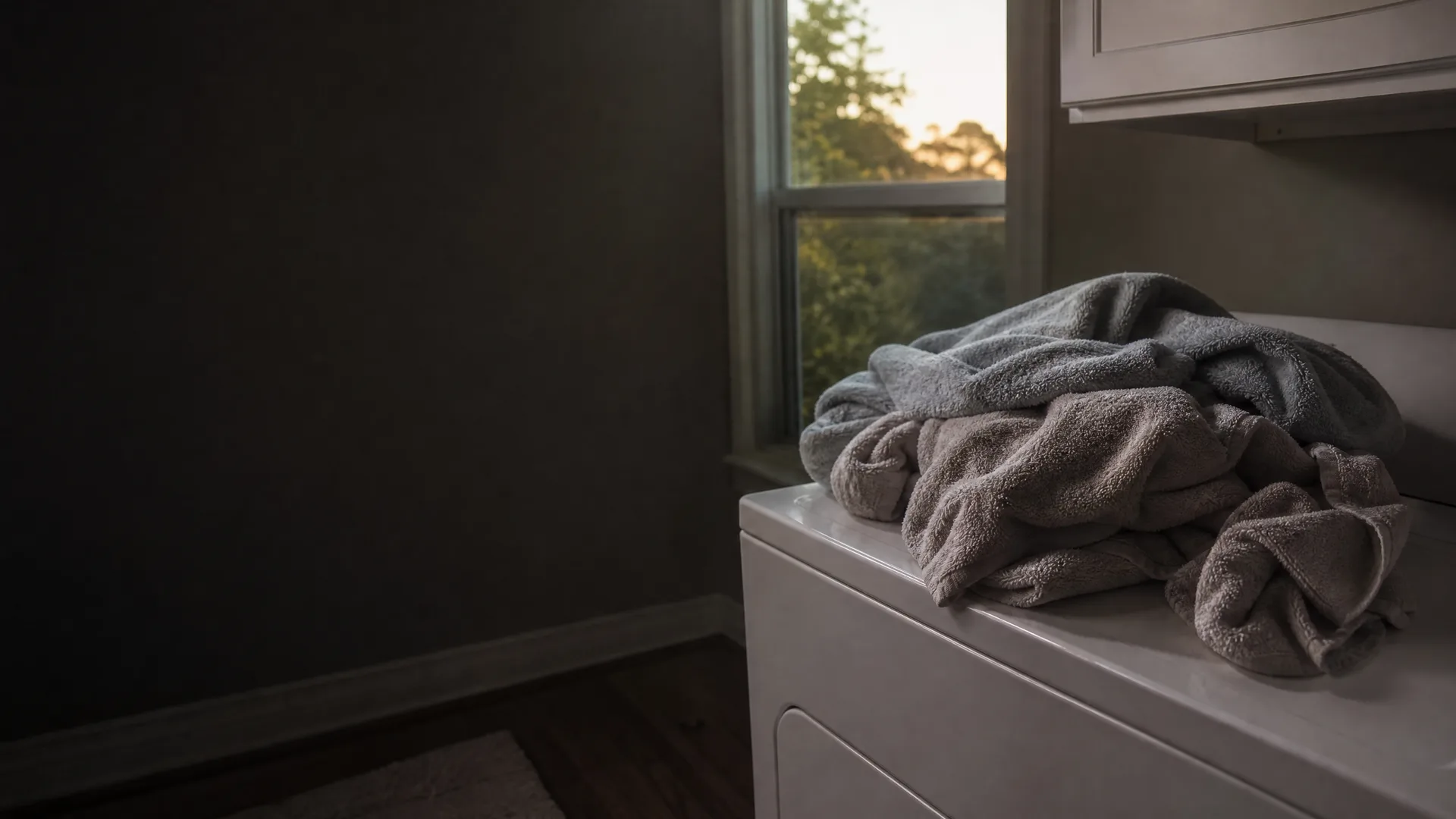
A pile of gray and taupe towels sits on top of a white laundry appliance in a dim room beside a window with trees and sunlight outside.

You run a second load before bed, same as always, and this time the towels come out barely warmer than when they went in. You open the dryer, feel around the drum, check the lint trap. Nothing wrong there. It's the kind of thing you'd normally let go another cycle, see if it sorts itself out, but you've learned that's how small problems turn into bigger ones. You go out back to the vent hood and hear it before you see it, a dry rustling behind the flap. You don't open it tonight. The towels sit piled on top of the dryer, still damp, waiting for morning.


Clear It Yourself or Have It Cleaned

Clear It Yourself

  • You can pull the hood cover off and clear nesting material with your hands if the duct run is short and straight.
  • A shop vac reaches a few feet into the vent from outside, but it won't pull material from farther back in a long run.
  • You won't see what's sitting in the middle of the duct, so you're guessing whether you got all of it out.
  • Nesting material left behind restricts airflow even after the bird and the visible nest are gone.
  • A flexible duct with bends hides material a vacuum or your arm can't reach around the corner.
  • If the vent runs under the house or through a wall cavity, you may not be able to get to it at all.

Have It Cleaned

  • A cleaning reaches the full length of the duct, not just what's visible from the hood.
  • A camera or brush run through the line confirms the nest, droppings, and loose material are actually gone.
  • Once it's cleaned, a contractor can fit the hood with a flap or guard that keeps the next bird out.
  • Sending the request once means you're not calling around to find someone who handles vent cleaning specifically.
  • You skip comparing quotes from different companies and explaining the same problem to each one.
  • A full cleaning clears lint that built up around the nest, which matters since lint is what actually catches fire.
A white hooded dryer vent with a louvered grille screwed to beige horizontal lap siding above a lighter foundation wall.

Vent clear and working

This is what the hood should look like: flap hanging loose, screen clean, nothing blocking the opening. Air pushes the flap open when the dryer runs and it falls shut when it's done. Nothing lives in there, because nothing can get a foothold.

A wall-mounted plastic dryer vent hood on light-colored horizontal vinyl siding, clogged with lint and debris hanging from its opening, above a gray painted foundation.

Vent packed with nest

This is lint and nesting material built up to the point where the flap can't close. A bird found a gap, got in, and kept building. Air can't push past it anymore, so the dryer runs longer and the exhaust has nowhere to go.

A wooden table in the foreground holds a closed laptop and a ceramic mug of coffee, with a spindle-back wooden chair behind it, a beige wall with paneled wainscoting, a window at left, and a kitchen counter with a cutting board, bowl of fruit and greenery at right.

What's actually built up in there

A bird doesn't just pass through a dryer vent. It builds in stages. First a few twigs catch on the flap or the screen, then more pile on until there's a platform, then the nest itself goes on top of that. By the time you notice weak heat, there can be a few feet of packed material between the hood and the first bend in the duct. Lint keeps collecting behind it the whole time, because the airflow that would normally carry it outside has nowhere to go.

That's why pulling visible twigs out of the hood often doesn't fix it. The blockage sits deeper, past the first turn, where you can't reach it with your hand or see it with a flashlight. Clearing the whole run means opening the line at the joints and working through it section by section, which is also how a contractor checks whether the flap and screen are still doing their job once the nest is gone. Finding someone set up to do that, instead of guessing from the hood, is the part worth not doing yourself.

A speckled beige ceramic vase holding thin dried branches sits on a round wooden table near a window with sheer curtains, with a dark upholstered chair and draped blanket blurred in the background.
A bearded man in a navy T-shirt sits on a light-colored couch indoors, smiling while looking down at a laptop screen in the foreground, with a framed picture and a potted plant blurred behind him.
A bearded man in a plaid flannel shirt stands indoors looking out a window at snow-covered conifers, with a ceramic mug on the wooden sill and wooden cabinets behind him.

Done looking for a dryer vent pro

A nest in the vent does not clear itself, and every load you run after you notice it just pushes more lint into the blockage behind it. You could start calling dryer vent companies, explain what you heard and what you found, wait on callbacks, and sort through who actually does this kind of cleaning versus who just lists it on a website. Oklahoma summers already run hot and close, and a dryer that is fighting a blocked vent runs hotter and longer than it should, with nowhere for that heat to go but back into the house. Send the request and that search is off your plate. You stop being the one tracking down who's available and explaining the bird situation a third time. Someone qualified gets word of what's going on at your place, and you get to go back to just running your dryer without thinking about what's nesting on the other side of that wall.

A white plastic hooded dryer vent with a mesh screen, fastened by four screws to beige horizontal lap siding above a concrete foundation wall.
A dryer vent that still works has nothing to catch on. Air pushes the flap open on every load and it drops shut after, so the opening stays bare and the screen stays clean.
A white plastic hooded dryer vent with a louvered grille mounted on horizontal vinyl siding above a textured concrete foundation wall.
Once lint coats the screen like this, it's not just dust. It's a surface a bird can land on and start piling twigs against.

Power costs 13.21 cents per kilowatt-hour statewide

At 13.21 cents a kilowatt-hour, running the dryer again because a blocked vent trapped the heat costs you more than it should. A clear vent lets your dryer finish a load in one pass instead of two, which is the cheaper way to dry towels in Oklahoma.

EIA-861 2025 statewide residential average

What a Clear Vent Looks Like

  • A bird in the vent usually started with a stuck hood flap or a screen someone added that gave it a place to land.
  • Nesting builds in stages, from a few caught twigs to a platform to a full nest packed with lint behind it.
  • A blocked vent traps heat in the drum, so towels come out barely warm and the dryer runs a second time for nothing.
  • Clearing it yourself works only on short, straight runs; anything farther back needs a longer reach than a shop vac gives.
  • The hood should show a flap that swings loose and a bare screen, with nothing sitting still long enough to build on.
  • At 13.21 cents a kilowatt-hour, a vent that stays clear is what keeps a load of towels a one-pass job in Oklahoma.

The bird got in because something gave it a reason to stop there, a flap that wouldn't swing shut or a screen that turned the opening into a ledge. From there it's a short path: twigs first, then a platform, then a nest packed in tight with lint stuck to it from every load that ran after. You feel the result before you see it. Towels that used to come out hot now come out warm, and you run the dryer twice for one basket of laundry. That's the drum holding heat it can't push out, not a dryer going bad. If the run from the dryer to the hood is short and straight, you can sometimes clear it yourself, pull the cover, reach in, get what you can by hand. A shop vac helps for the first few feet. Past that, in a run with any bends in it, nothing you own reaches the rest of what's back there, and the lint behind the nest doesn't move until the nest does. A vent that's actually clear doesn't have much to look at: a flap hanging loose, a screen with nothing on it, an opening that stays bare because nothing can get a grip on it. That's the state you're aiming for. At 13.21 cents a kilowatt-hour, that's also the state where a load of towels takes one pass through the dryer instead of two, which in Oklahoma is the difference that shows up on the bill.

A smiling man in a blue denim shirt over a white tee sits at a light stone kitchen counter with a grey mug and a bowl of oranges and bananas, with pendant lights and shelving behind him.
A smiling bearded man in a grey long-sleeved shirt sits at a kitchen counter with a dark mug, with a dining table, pendant light and glass doors onto greenery behind him.
A bearded man in a dark green knit sweater smiles and looks off to the side while standing at a kitchen counter with a white mug of coffee, with open shelving, a potted tree, and a dining table near large windows behind him.
A man with dark curly hair in a dark green sweater stands smiling and looking to the side in a kitchen with white cabinets, a potted plant, a stone countertop with a ceramic mug, and a dining area with framed art in the background.

Dryer Vent Cleaning

It's off your list after this

Answer a few questions about the dryer vent cleaning and skip the search.

A black-framed smartphone standing upright against a plain light gray background, its screen filled with solid green.
Duct and vent cleaningOklahoma
Step 1 of 3

What kind of equipment?